World · India Bureau
Solar Activity Poses Growing Threat to Starlink Satellite Constellation
Thousands of Starlink satellites orbiting Earth face an unprecedented challenge from increased solar activity, which causes the upper atmosphere to expand and drag orbital debris downward at accelerated rates. The phenomenon presents a significant operational challenge for SpaceX's global internet network.
LSN India ·
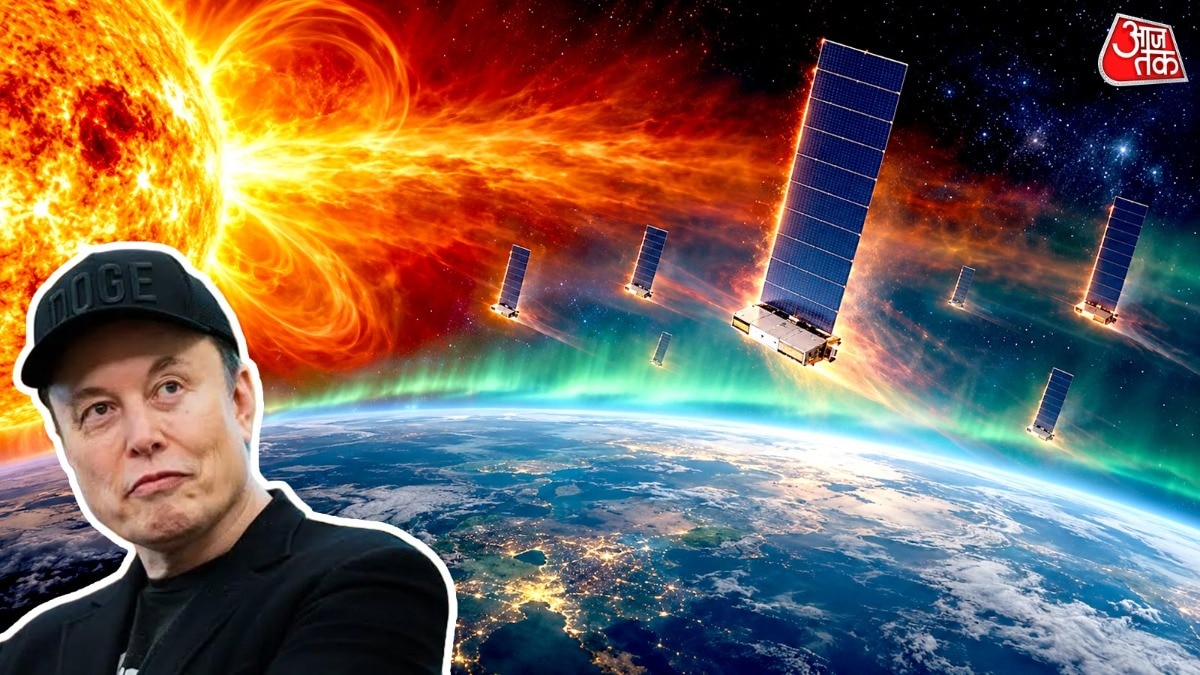
The constellation of thousands of Starlink satellites operated by Elon Musk's SpaceX faces an unexpected threat from natural solar cycles, as heightened solar activity expands Earth's upper atmosphere and accelerates satellite decay.
When the sun enters periods of intense activity, the thermosphere and exosphere expand outward, increasing atmospheric density at orbital altitudes. This denser atmosphere creates greater drag on satellites, pulling them from their intended orbits and causing them to descend toward Earth more rapidly than anticipated.
Starlink's satellites operate at relatively low orbital altitudes, typically between 340 and 550 kilometers, which makes them more vulnerable to atmospheric drag than satellites in higher geospheric orbits. The current solar maximum phase, which scientists say will persist through the coming years, intensifies this challenge for SpaceX's growing network.
While the company has engineered satellites with deorbiting capabilities to manage end-of-life disposal, the accelerated descent triggered by solar activity strains operational planning and increases the frequency of replacement launches required to maintain constellation density.
The phenomenon underscores the complex interplay between space weather and orbital infrastructure, presenting a challenge that extends beyond SpaceX to the broader commercial space industry as more mega-constellations are deployed in low Earth orbit.