Politics · India Bureau
Solar Farms Become Grazing Grounds in US Agricultural Innovation Model
An emerging agrivoltaic model in the United States is combining renewable energy infrastructure with livestock farming, transforming solar installations into productive grazing land. The approach offers economic benefits to both farmers and utility companies while supporting rural agricultural communities.
LSN India ·
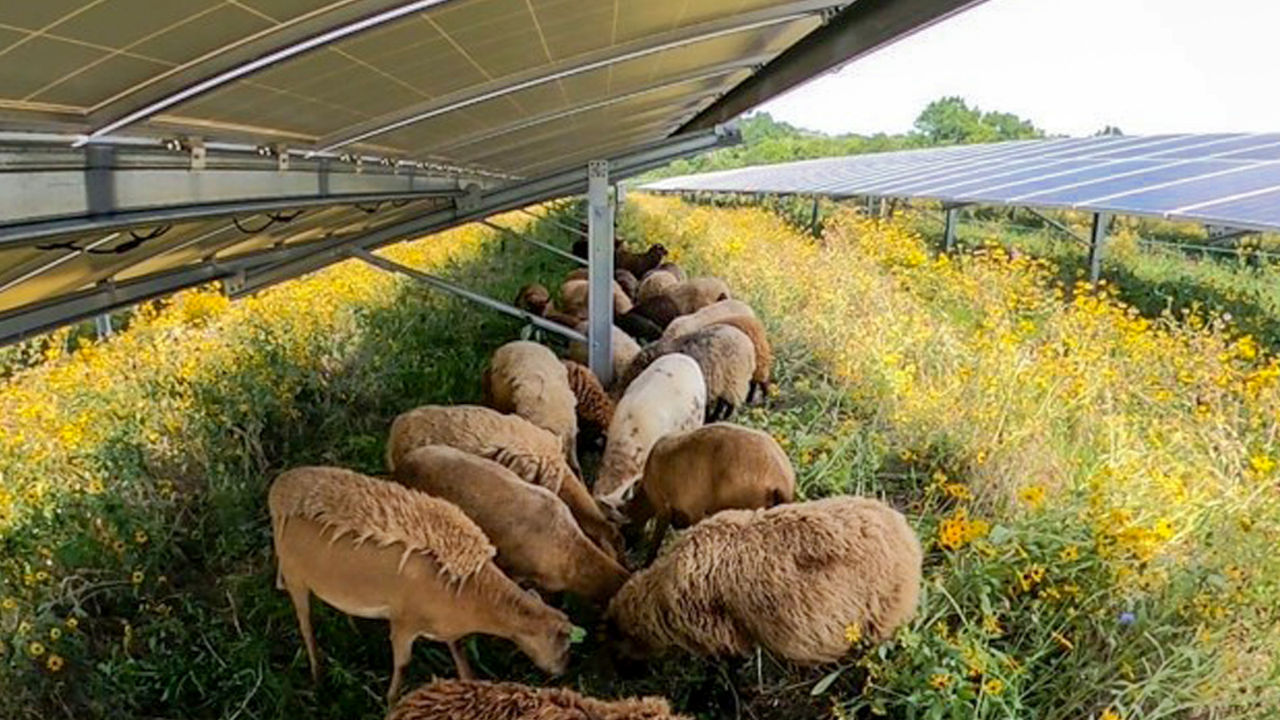
A Vermont-based enterprise has pioneered an innovative approach to land use by integrating sheep grazing operations with solar energy farms, creating what experts call an agrivoltaic system. Since 2018, Agrivoltaic Solutions LLC has scaled its operations from managing 30 sheep to overseeing a herd of 500 animals across thousands of acres in multiple US states.
The model works by deploying livestock to graze beneath and around solar panels, simultaneously generating renewable energy and producing agricultural output from the same land. This dual-use approach addresses a long-standing challenge in renewable energy development: finding productive uses for land occupied by solar infrastructure.
For farmers and livestock producers, the partnership provides additional revenue streams and reduces grazing costs by offering access to maintained land. Utility companies benefit from reduced maintenance expenses and lower vegetation management costs, as the grazing animals naturally control undergrowth that might otherwise require mechanical clearing.
The initiative demonstrates how renewable energy projects can be designed to support rather than displace agricultural communities. By fostering partnerships between solar developers and local livestock producers, the model creates economic stability in rural regions while advancing sustainable farming practices.
As utility-scale solar installations continue expanding across North America, similar agrivoltaic models are gaining attention from energy companies and agricultural stakeholders seeking ways to maximize land productivity and strengthen rural economies.