Culture & Entertainment · India Bureau
Solar panels boost saffron yield in pioneering agrivoltaics experiment
Researchers at Colorado State University have demonstrated that the world's most expensive spice thrives under semi-shaded solar panels, offering a new model for urban farming that combines renewable energy generation with food production.
LSN India ·
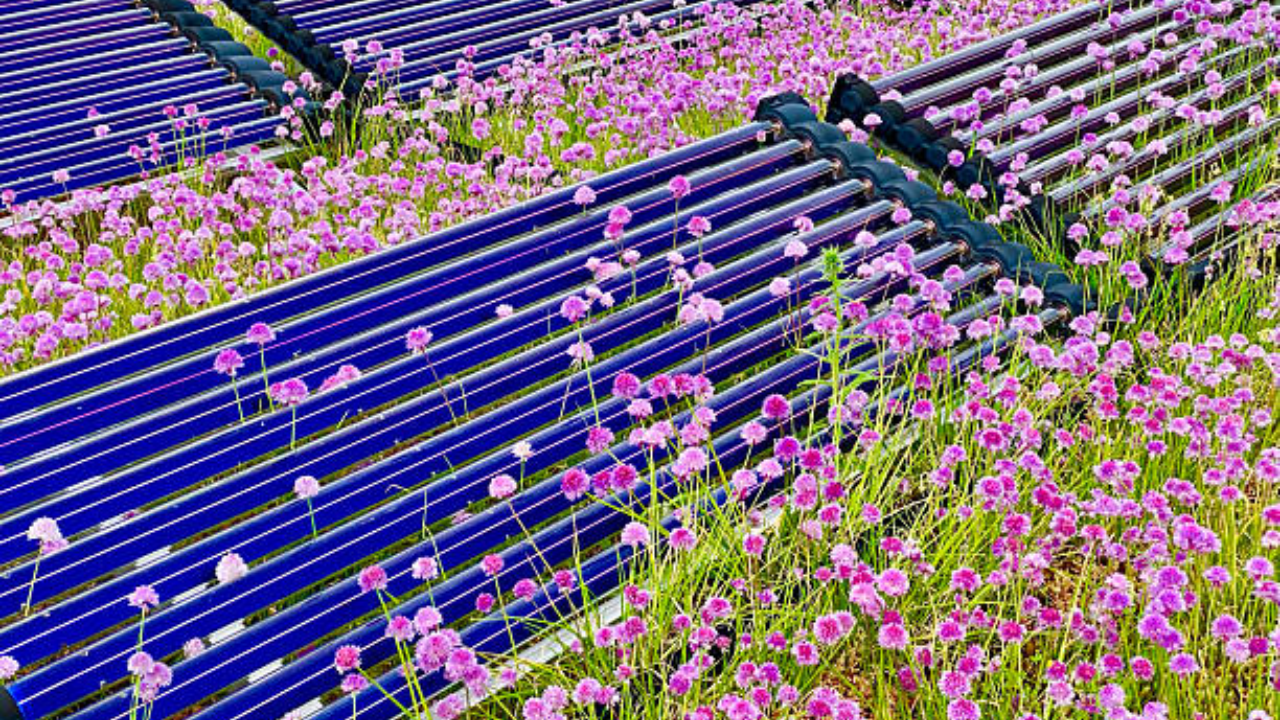
A study by Colorado State University has revealed an unexpected synergy between saffron cultivation and solar energy infrastructure. The research found that saffron plants flourish when grown beneath semi-shaded solar panels, producing superior yields compared to conventional open-field farming methods.
The findings suggest a promising pathway for addressing agricultural space constraints in densely populated urban areas. By integrating rooftop and vertical farming systems with solar panel installations, cities can simultaneously generate renewable electricity while cultivating high-value crops. The dual-use approach maximizes limited space efficiency, a critical consideration for urban food production systems.
Financial projections indicate substantial potential returns within a five-year timeframe, combining revenue from both saffron harvesting and electricity generation. The premium pricing of saffron—acknowledged as the world's costliest spice—enhances the economic viability of such integrated farming systems.
Despite the promising results, researchers have identified implementation challenges that require resolution. Installation costs and ongoing maintenance requirements present practical hurdles for widespread adoption of agrivoltaics systems. These factors will likely determine the feasibility of scaling the technology for broader commercial application across agricultural and urban regions.