Culture & Entertainment · India Bureau
Solar panels emerge as status symbol in Pakistani wedding dowries
Pakistan's surging adoption of solar energy has reached an unusual milestone, with photovoltaic systems now being included as part of marriage dowries. The trend reflects how affordable Chinese solar technology and rising electricity costs have made renewable energy a prized asset among middle-class families.
LSN India ·
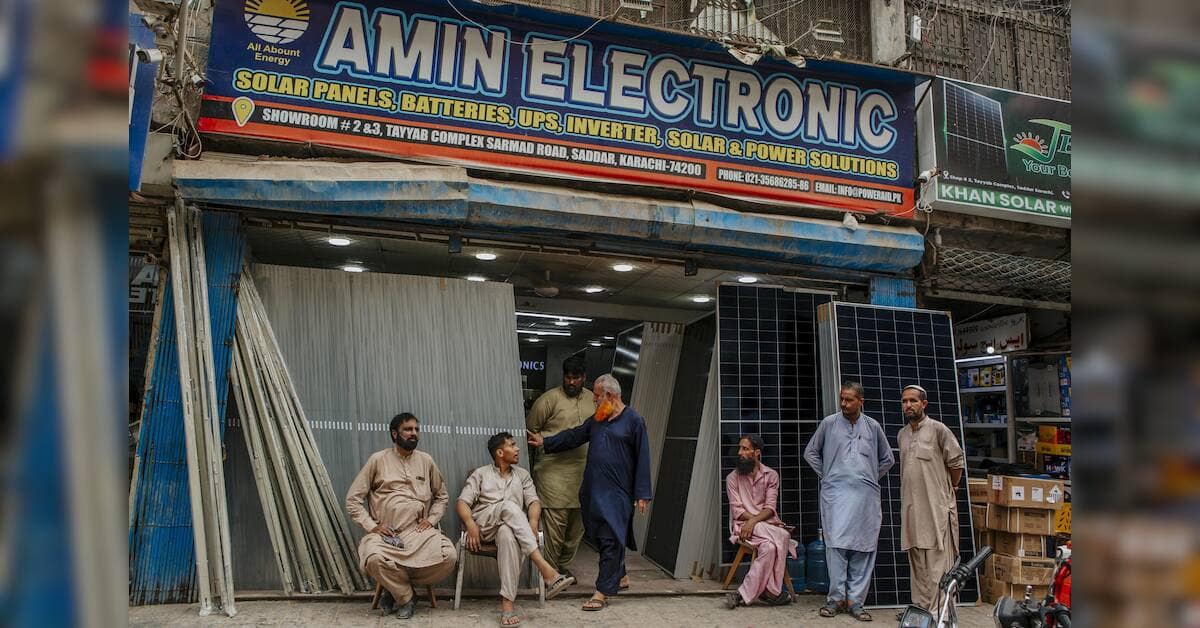
Pakistan's solar energy sector has experienced explosive growth in recent years, driven by a combination of economic and social factors that have made rooftop panels increasingly attractive to households facing steep grid electricity tariffs. The confluence of rising power costs, growing availability of competitively priced Chinese solar systems, and widespread social media promotion has transformed solar installations from a luxury into an aspirational consumer good across urban and semi-urban areas.
The phenomenon of solar panels being incorporated into wedding dowries—traditionally composed of household goods, jewellery, and cash—underscores how deeply renewable energy technology has penetrated Pakistani society. What was once considered cutting-edge technology has become a mainstream status symbol, with families viewing solar systems as practical investments that reduce long-term electricity expenses while enhancing the perceived modernity and prosperity of a household.
Social media platforms, particularly TikTok, have played an unexpected role in normalising and popularising solar adoption among younger demographics. Viral content showcasing solar installations has helped destigmatise the technology and made it aspirational, particularly in regions where grid electricity remains unreliable or prohibitively expensive. This grassroots marketing effect has complemented government initiatives promoting renewable energy adoption.
The trend highlights broader shifts in South Asian consumer behaviour regarding energy independence and environmental consciousness. As electricity tariffs continue climbing across the region, solar energy has transitioned from a niche investment to a financially prudent choice for middle-income households seeking to reduce utility bills and insulate themselves against future price increases.