World · India Bureau
Solar panels over Chinese aquaculture ponds cut sea cucumber dormancy
An innovative aquavoltaic system deployed over sea cucumber farming ponds in China has significantly shortened the summer dormancy period for juvenile specimens. The technology demonstrates how renewable energy infrastructure can simultaneously enhance aquaculture productivity and support sustainable power generation.
LSN India ·
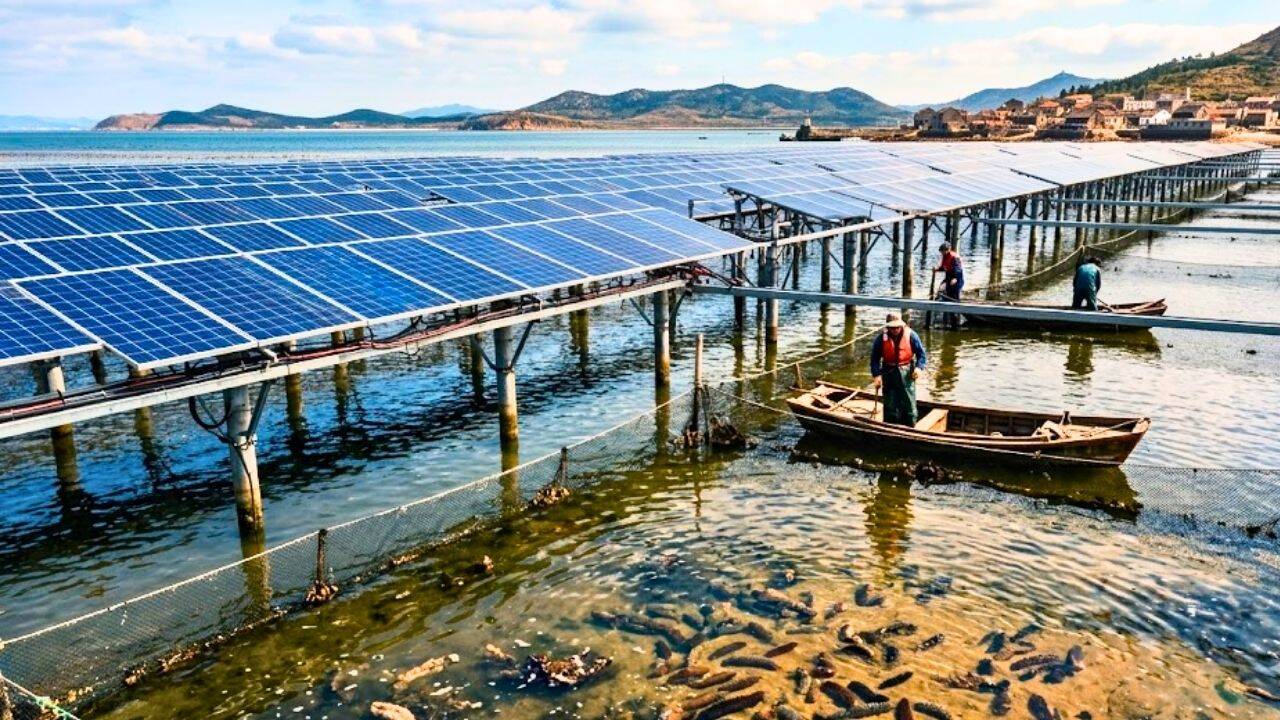
Solar panel installations positioned above sea cucumber cultivation ponds have proven effective in reducing water temperatures during peak summer months, according to recent findings from Chinese aquaculture operations. The cooling effect has compressed the dormancy period typically experienced by young sea cucumbers by approximately twelve days, potentially improving overall yield and production cycles on farms employing the technology.
Beyond temperature regulation, the solar panels have induced secondary ecological changes within the ponds. The structures have altered plankton distribution patterns and reduced the accumulation of organic material in pond sediments, creating conditions that may facilitate more efficient nutrient cycling and reduce maintenance requirements for farm operators.
The deployment of such systems represents an emerging application of aquavoltaics—the integration of aquaculture and photovoltaic energy generation—which allows farming operations to generate electricity while simultaneously optimizing conditions for aquatic species. For regions across South and Southeast Asia with significant aquaculture sectors, the model offers a potential pathway to enhance productivity while addressing renewable energy demands.
As global aquaculture continues expanding to meet protein demands, innovations that combine food production with clean energy generation are gaining attention among sustainable agriculture proponents and policymakers seeking dual-benefit solutions.