Business · Singapore Bureau
Solar power expansion shields Singapore from fossil fuel import surge
Singapore's growing solar capacity has insulated the city-state from significantly higher energy import costs, according to a new analysis. The renewable energy infrastructure prevented over S$123 million in additional fossil fuel expenses, with natural gas accounting for the bulk of the avoided costs.
LSN Singapore ·
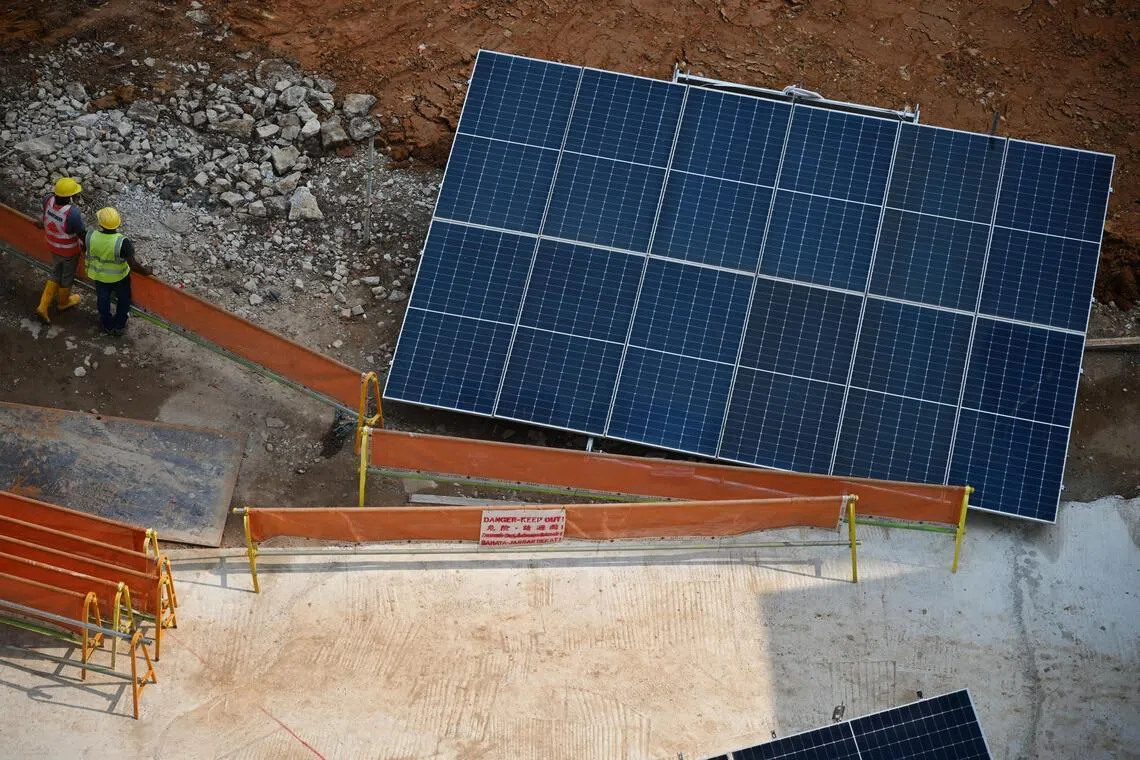
Singapore's expanding solar energy portfolio has provided substantial economic protection against volatile global fossil fuel markets, new research shows. An analysis by the Centre for Research on Energy and Clean Air found that solar installations avoided S$123.8 million in additional import costs that would have otherwise strained the nation's energy budget.
The findings underscore the financial benefits of Singapore's renewable energy transition beyond environmental considerations. As global liquefied natural gas prices have fluctuated and energy security concerns have intensified, the city-state's domestic solar generation has served as a critical buffer against external market pressures.
Nearly all savings stemmed from displaced natural gas imports, highlighting Singapore's historical reliance on imported fuel for power generation. The research suggests that continued investment in rooftop solar systems and large-scale solar farms could yield comparable economic returns while diversifying the nation's energy mix.
The analysis comes as Singapore pursues ambitious renewable energy targets, including plans to import renewable electricity from neighbouring countries and expand domestic solar capacity. Officials have positioned clean energy development as essential to both economic resilience and climate commitments.