World · World News Bureau
Solar-powered telemedicine stations expand healthcare access across rural Chad
Remote communities in Chad are gaining access to medical expertise through solar-powered telemedicine kiosks, addressing critical gaps in healthcare delivery across the West African nation. The technology-based initiative is helping bridge the distance between patients and qualified physicians.
LSN World News ·
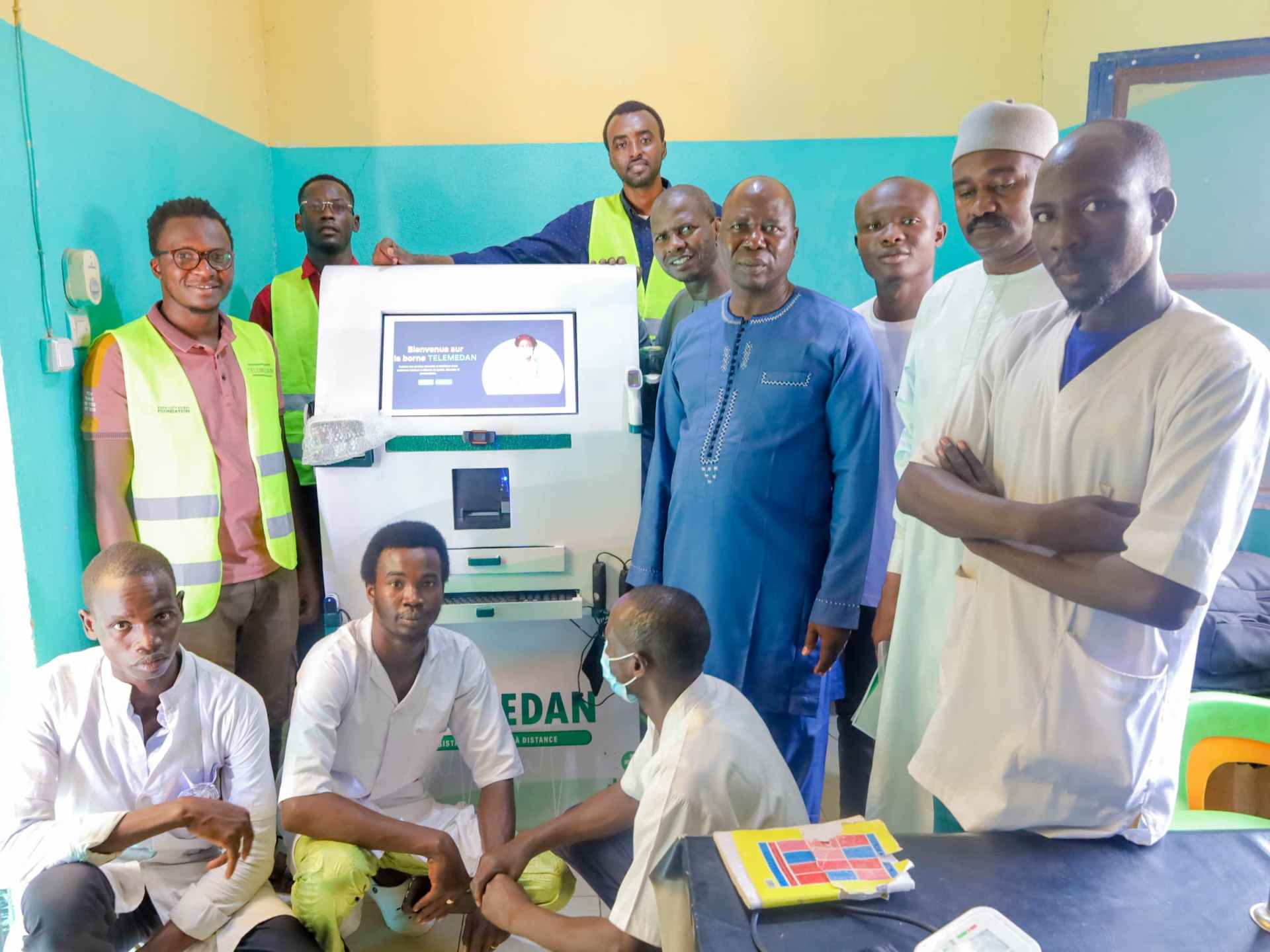
Rural areas across Chad have long struggled with severe healthcare shortages, with limited medical facilities and few doctors serving vast populations spread across remote regions. The introduction of solar-powered telemedicine stations is beginning to transform healthcare delivery in these isolated communities, allowing residents to consult with medical professionals without undertaking arduous journeys to distant urban centers.
The solar kiosks operate independently of the unreliable electrical infrastructure that characterizes much of rural Chad, making them sustainable solutions for regions where grid power is unavailable or inconsistent. Each station is equipped with solar panels that generate sufficient electricity to power communications equipment and basic diagnostic devices, enabling real-time consultations between patients and healthcare providers.
By reducing the distance barrier and making healthcare more accessible, the telemedicine initiative addresses one of the primary obstacles to medical care in Chad's remote communities. Residents can receive expert medical advice, diagnoses, and treatment guidance through the kiosks, potentially identifying health issues early and reducing the need for emergency travel to overcrowded urban hospitals.
The expansion of such telemedicine infrastructure represents a practical response to Chad's persistent healthcare challenges, where limited resources and geographic distances have historically left rural populations with minimal access to qualified medical practitioners. As these solar-powered stations proliferate across remote areas, they are demonstrating how appropriate technology can help narrow the healthcare gap between urban and rural regions.