World · India Bureau
Solar roof tiles offer promise but face challenges in India
Photovoltaic roof tiles can transform building surfaces into electricity-generating systems, yet their adoption remains limited. The technology presents a compelling alternative to conventional solar panels, though questions persist about cost-effectiveness, efficiency, and maintenance.
LSN India ·
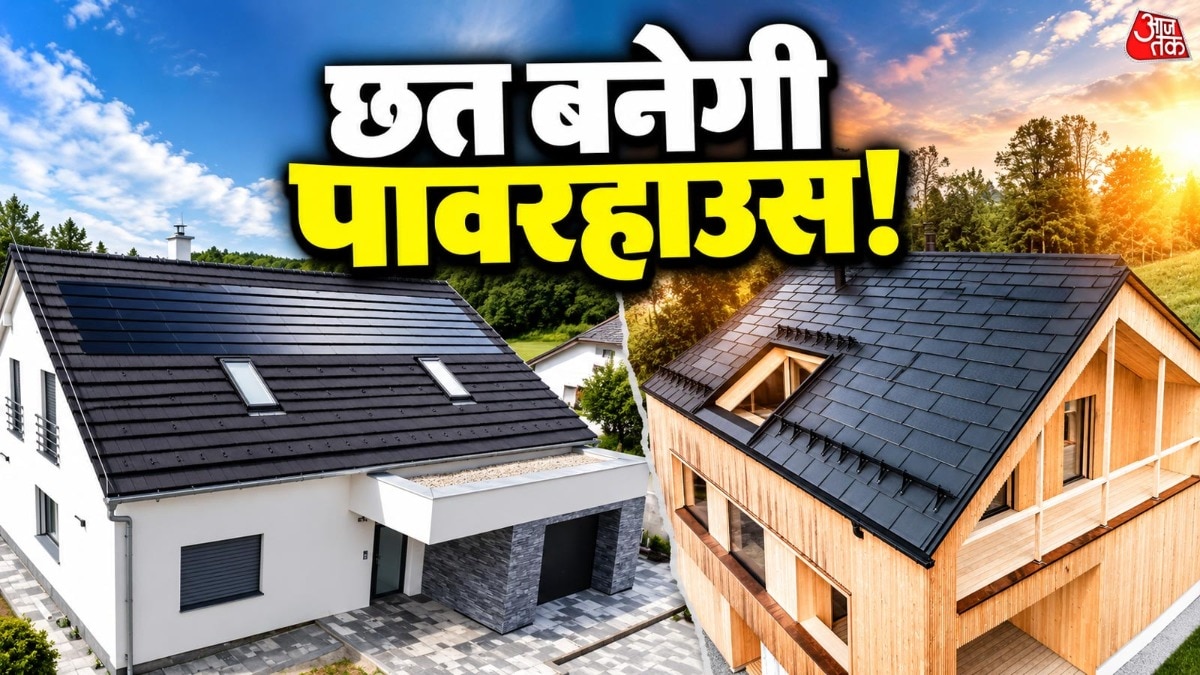
Solar roof tiles represent an emerging technology that integrates photovoltaic cells directly into roofing materials, enabling buildings to generate electricity while maintaining aesthetic appeal. Unlike traditional rooftop solar panel installations, these tiles blend seamlessly with conventional building architecture, eliminating the need for separate mounting structures.
The technology offers several advantages over standard solar panels. Homeowners and commercial property owners can upgrade their roofing while simultaneously harnessing renewable energy. The integrated design reduces installation complexity and improves the visual appearance of properties, which has proven particularly attractive in urban residential areas.
However, solar roof tiles face significant cost barriers compared to conventional photovoltaic panels. Manufacturing expenses remain substantially higher, making initial investment a critical consideration for potential buyers. Performance metrics also vary, with some roof tile variants delivering lower energy conversion efficiency than traditional panels, requiring larger roof surface areas to achieve comparable electricity output.
Maintenance and repair present additional complications. If individual tiles malfunction, replacing or servicing them can prove more complex and costly than maintaining standard solar arrays. The integrated nature of the technology means that roof repairs may require specialized expertise, potentially increasing long-term ownership costs.
Despite these limitations, industry analysts suggest that technological improvements and economies of scale could enhance the viability of solar roof tiles in India's growing renewable energy sector. As manufacturing processes mature and awareness increases, these products may become more accessible for residential and commercial applications across the country.