World · Bangladesh Bureau
Solo female travellers face increased scrutiny at immigration checkpoints
Women travelling alone across South and Southeast Asia report heightened questioning and suspicion at immigration borders, raising concerns about gender bias in travel documentation processes. Authorities and immigration experts are examining whether outdated assumptions about independent female travel are fuelling discriminatory practices.
LSN Bangladesh ·
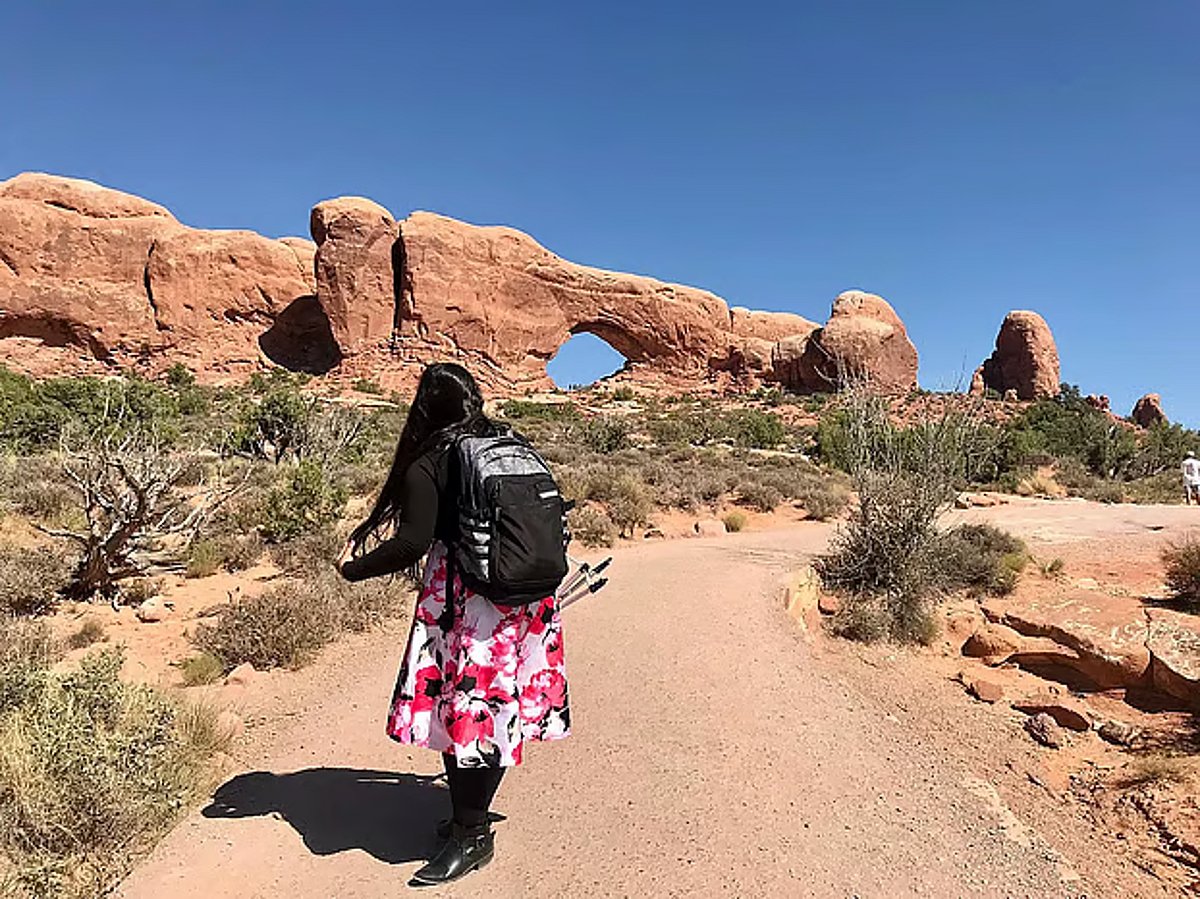
Immigration officials across the region have come under scrutiny for subjecting solo female travellers to disproportionate questioning and scrutiny compared to their male counterparts. Women report being asked intrusive questions about their travel purposes, financial independence, and family circumstances—inquiries rarely directed at male travellers crossing the same borders.
Experts attribute this disparity to entrenched social attitudes that view independent female travel with suspicion. In many parts of South and Southeast Asia, cultural norms traditionally restricted women's mobility, and some immigration personnel appear to retain these biases when processing travel documents and determining entry eligibility.
The heightened scrutiny creates practical difficulties for professional women, researchers, and tourists. Solo female travellers report longer processing times, repeated document requests, and questioning that goes beyond standard security protocols, sometimes delaying their entry by hours.
Immigration authorities in several countries have begun reviewing their screening procedures to identify and eliminate gender-based discrimination. Officials emphasize that security protocols should remain consistent regardless of traveller gender, with questioning focused on legitimate risk factors rather than social assumptions about women's independent travel.
Civil rights organizations are pushing for formal training programs to ensure immigration personnel apply regulations equitably, helping modernize border procedures and eliminate outdated gender stereotypes from official screening processes.