Politics · Malaysia Bureau
Some employers underpaying TVET graduates despite minimum wage rules
Malaysia's Human Resources Minister has raised concerns that certain employers continue to pay locally-trained technical vocational workers at migrant worker rates, despite the implementation of a RM1,700 minimum wage. The practice undermines efforts to improve conditions for domestic skilled workers.
LSN Malaysia ·
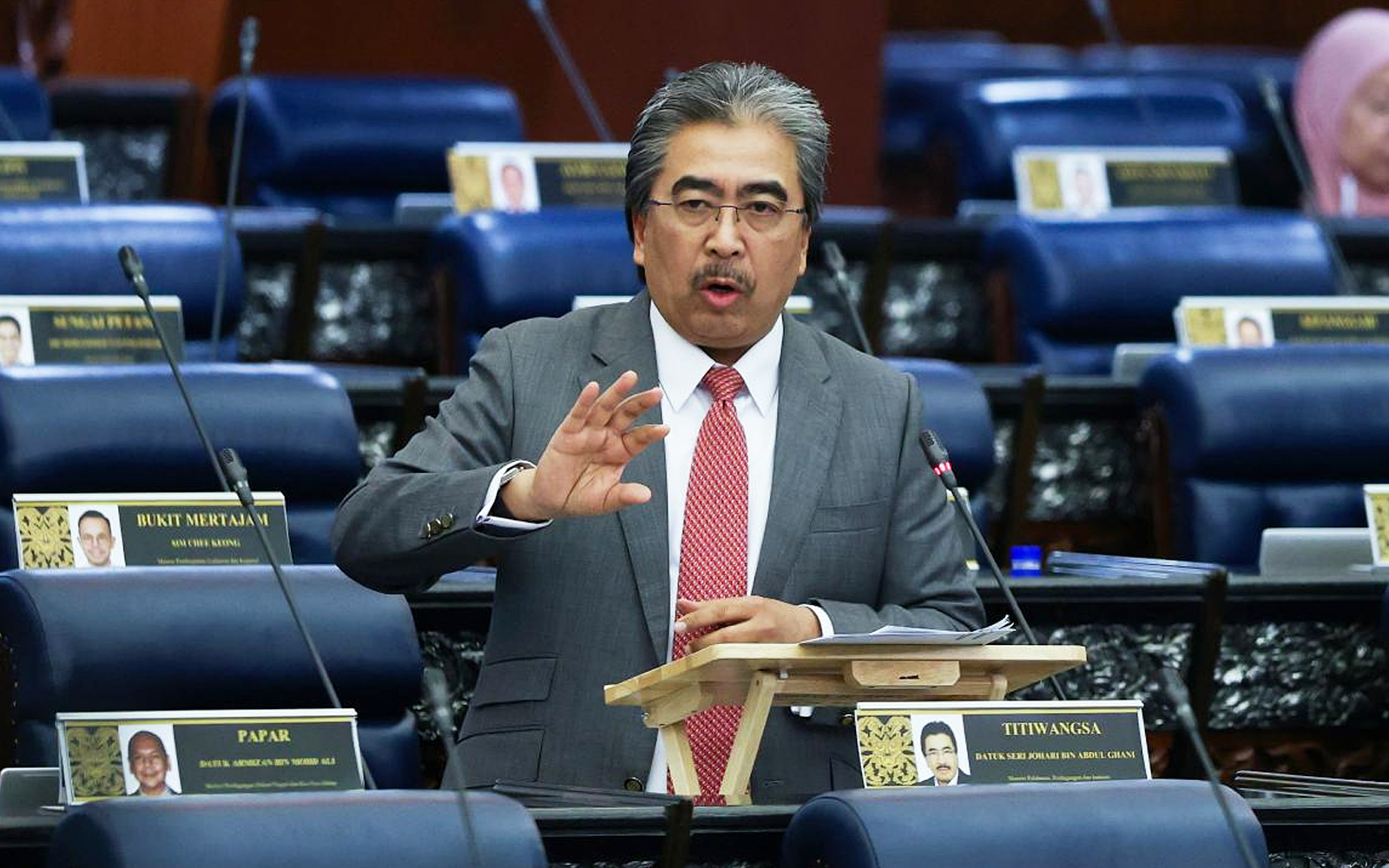
Human Resources Minister Johari Abdul Ghani has flagged ongoing wage disparities affecting graduates of Technical and Vocational Education and Training (TVET) programmes, stating that some employers persist in paying them at the same rates offered to foreign workers. The practice contravenes Malaysia's minimum wage policy and comes despite regulations designed to protect domestic skilled workers entering the job market. Minister Johari's comments highlight a persistent challenge in ensuring that locally-qualified TVET graduates receive competitive compensation reflective of their qualifications and training. The RM1,700 minimum wage, which has been in effect, appears insufficient to prevent some employers from exploiting wage arbitrage between local and migrant workers. The issue underscores broader concerns about the valuation of domestic technical skills and the need for stronger enforcement of wage compliance across sectors that rely heavily on TVET-qualified personnel. Government officials have indicated renewed attention to monitoring employer compliance with minimum wage requirements affecting this workforce segment.