Business · India Bureau
Sonia Gandhi memoir examines UPA tenure, 2014 electoral setback
In her autobiography, the former Congress president reflects on her party's economic policies, social welfare initiatives, and the factors behind its defeat in the 2014 general elections.
LSN India ·
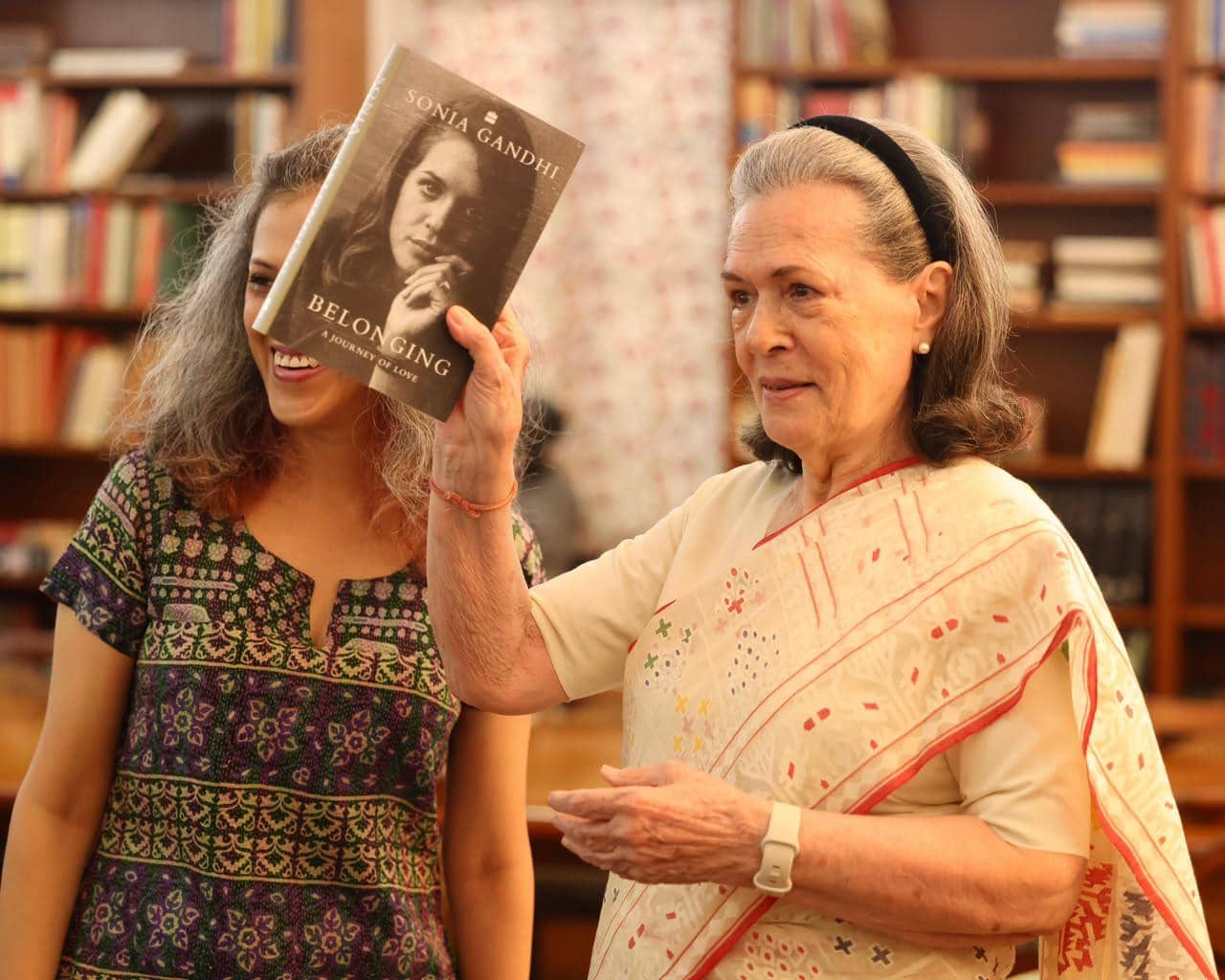
Sonia Gandhi has used her memoir to provide an insider's perspective on the United Progressive Alliance's decade in power, offering reflections on the government's approach to economic reforms and its ambitious social welfare programmes.
The memoir touches upon the Congress-led coalition's policy direction during its two terms in office, examining both the successes and challenges faced by the UPA administration. Gandhi's account includes her assessment of the economic landscape and developmental priorities that shaped government decisions during that period.
A significant portion of the narrative focuses on the 2014 general elections, which marked a watershed moment for Indian politics. The memoir appears to address the Congress party's unexpected defeat and the circumstances that contributed to the electoral outcome, providing Gandhi's perspective on this pivotal juncture.
Gandhi's autobiography also reflects on her political differences with Prime Minister Narendra Modi, offering insights into the ideological and policy divides between the UPA's approach to governance and the subsequent administration's direction. The memoir represents an attempt by the veteran political leader to set her interpretation of events on record as India continues to evolve its political discourse.
The publication of Gandhi's reflections comes at a time of continued political engagement, with the Congress party and its leadership remaining active participants in the country's democratic process.