World · World News Bureau
Sony's PlayStation disc discontinuation reignites digital ownership debate
The Japanese electronics giant's plan to phase out physical media for its gaming console has renewed concerns about consumer rights and the shift toward digital-only entertainment. The move highlights growing tensions between corporate business models and player access to purchased content.
LSN World News ·
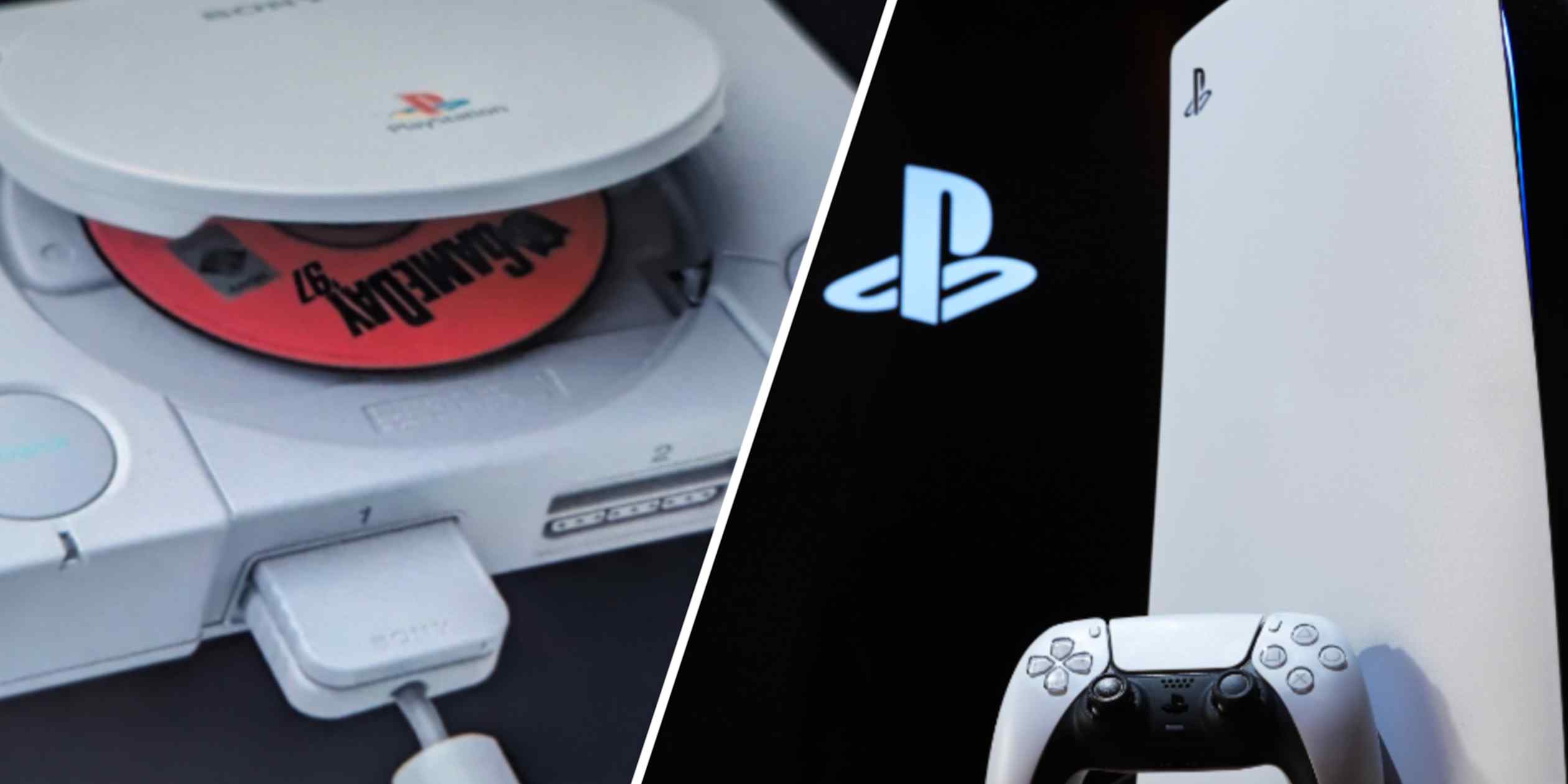
Sony's decision to discontinue PlayStation disc compatibility has triggered widespread criticism from consumers and digital rights advocates who argue the transition undermines ownership principles in the gaming industry. The phaseout represents an industry-wide shift toward digital distribution, which offers manufacturers greater control over content delivery while eliminating costs associated with physical production and distribution.
The move has reignited longstanding debates about what consumers actually own when they purchase digital games. Unlike physical discs that can be resold, traded, or retained indefinitely, digital licenses typically operate under restrictive terms that allow publishers to revoke access or discontinue services. Consumer advocates warn that the transition leaves buyers vulnerable to losing access to their game libraries if companies alter licensing agreements or cease operations.
The PlayStation disc discontinuation aligns with broader industry trends favoring digital storefronts and subscription services. Major gaming platforms have increasingly emphasized download-based libraries, cloud gaming, and monthly subscription models that prioritize recurring revenue streams over one-time purchases. Industry analysts suggest the shift reflects changing consumer habits, though concerns persist about the long-term implications for gaming preservation and consumer autonomy.
While Sony has not announced specific timelines for the full phaseout, the decision suggests that future PlayStation generations may rely exclusively on digital distribution. The announcement has prompted calls for stronger consumer protection regulations and industry standards that guarantee continued access to purchased digital content. Policymakers in several regions are considering legislation to address digital ownership rights and protect consumer interests as entertainment industries transition away from physical media.