World · India Bureau
South American camelids survive centuries on remote Falklands island
A small population of guanacos, wild South American relatives of llamas, has persisted on a Falkland Islands location for nearly a century despite two major population collapses. Genetic analysis reveals how the species maintained viability through severe bottlenecks.
LSN India ·
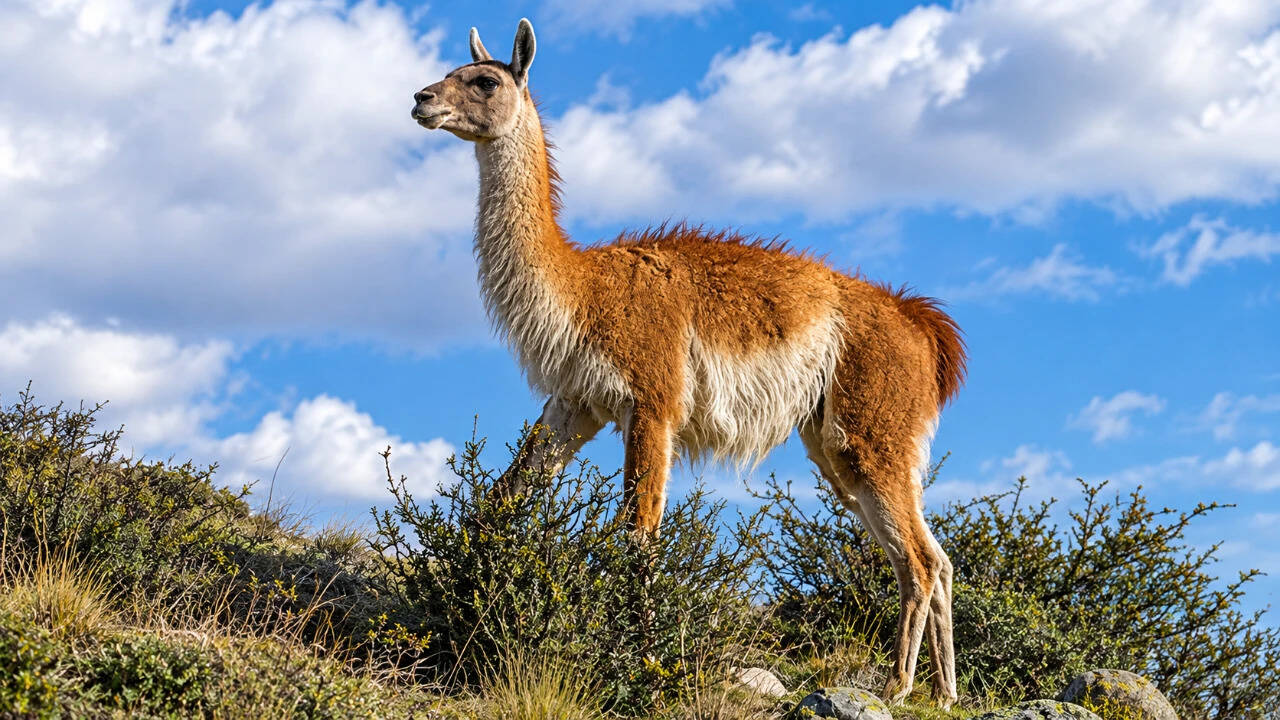
A remarkable story of biological resilience has emerged from one of the world's most remote archipelagos, where a handful of guanacos—wild South American camelids native to the Andes—have survived against the odds on a Falklands island since the 1930s.
Guanacos, the wild ancestors of domesticated llamas and alpacas, are typically found across Argentina, Chile, and Peru. The presence of approximately 15 individuals that reached the Falkland Islands decades ago represents an unusual population far outside their native range. Researchers studying the colony have discovered that this isolated group experienced not one but two significant population crashes during its tenure on the island.
Despite these severe genetic bottlenecks—events where populations are reduced to dangerously small numbers—the guanacos survived and maintained breeding viability. Genetic studies have documented how the species' DNA persisted through these crises, suggesting either exceptional genetic diversity among the founding population or unusual reproductive dynamics within the group.
The case provides valuable insights into population genetics and species survival mechanisms. Conservation biologists view the guanacos' persistence as a natural experiment in genetic resilience, offering lessons potentially applicable to endangered species management worldwide. The animals' ability to sustain themselves on an island environment thousands of kilometres from their evolutionary homeland demonstrates the adaptability of camelids to diverse climatic conditions.
The Falklands guanacos remain subjects of ongoing scientific interest as researchers continue to monitor their genetic health and population dynamics.