Business · Singapore Bureau
South Korea completes maiden Arctic voyage to Europe, targets regular service
A South Korean container vessel has successfully completed the country's first commercial round-trip transit through Arctic waters to Europe, marking a significant step toward establishing regular shipping services on the route. Seoul officials see the Arctic passage as key to positioning Busan as a premier global maritime hub.
LSN Singapore ·
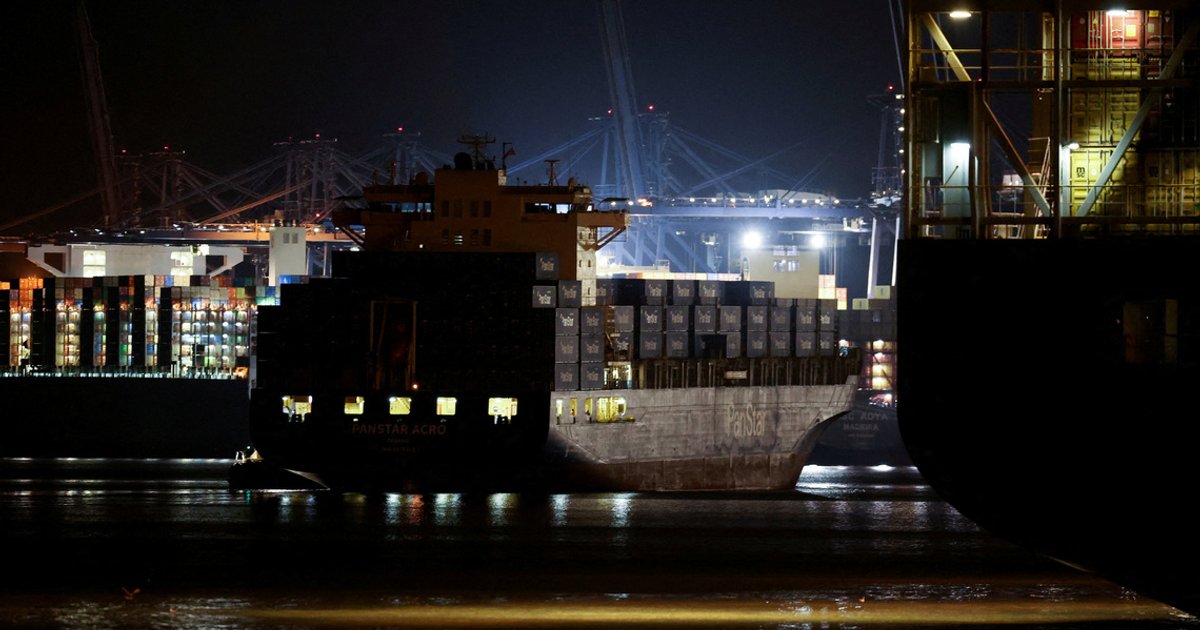
A South Korean container ship returned to port on Sunday after completing what authorities described as the nation's first commercial round-trip voyage to Europe via Arctic waters, signalling Seoul's ambitions to leverage warming polar routes for maritime commerce.
The successful journey comes as shipping companies and governments increasingly explore Arctic passages to reduce transit times and costs compared to traditional routes through the Suez Canal. The voyage underscores South Korea's strategic interest in establishing Busan as a major international shipping hub capable of serving emerging trade corridors.
Despite the operational success, authorities acknowledge significant risks associated with regular Arctic service, including harsh weather conditions, limited infrastructure, and environmental concerns. Navigation through Arctic waters remains hazardous, with unpredictable ice conditions and sparse emergency response capabilities presenting ongoing challenges for commercial operators.
South Korean port authorities are nonetheless pressing ahead with plans to develop regular Arctic shipping services. Officials believe capitalizing on the route could enhance Busan's competitive position among Northeast Asian ports and strengthen the nation's role in global maritime trade networks.
The initiative reflects broader regional competition as Asian nations seek to establish themselves as pivotal nodes in alternative shipping routes, particularly as climate change makes Arctic passages increasingly viable for extended periods throughout the year.