Culture & Entertainment · Vietnam Bureau
South Korea grinds to halt for half-million students taking college entrance exam
South Korea will suspend airport operations, delay business hours and boost public transit on November 19 to ensure over 550,000 test-takers can reach examination centers without disruption for the crucial English component of the national college entrance exam.
LSN Vietnam ·
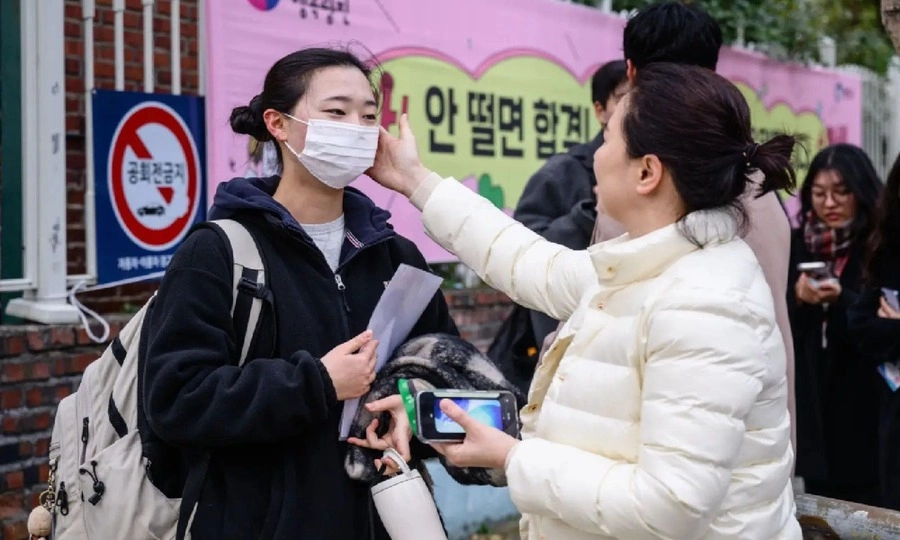
South Korea is implementing sweeping nationwide measures to facilitate the smooth administration of its college entrance examination on November 19, reflecting the high stakes placed on the test in the education system. Authorities will halt aircraft takeoffs and landings at airports during the examination window, while government offices and private businesses have been asked to delay their opening hours to reduce congestion on transportation networks. The measures underscore how the annual exam, a critical determinant of university placement, commands extraordinary societal accommodation.
Approximately 551,864 students are scheduled to sit for the English portion of the Suneung, South Korea's standardized university entrance test. Transit authorities plan to deploy additional subway trains during peak hours to transport test-takers to examination venues across the country, ensuring reliable access to test centers. The coordinated effort involves multiple government agencies and private sector participation.
The South Korean education system places considerable emphasis on college entrance examination performance, with results significantly influencing students' university prospects and career trajectories. The measures undertaken for the November 19 examination reflect decades of tradition whereby the nation effectively pauses normal activity during critical testing periods. Similar accommodations are typically extended during other major examination sessions throughout the academic year.
While the 25-minute English test represents only one component of the comprehensive entrance examination, authorities have determined that implementing full-scale transportation and operational adjustments remains necessary to provide equitable testing conditions for all candidates. The decision underscores the cultural and institutional priority assigned to standardized testing in South Korean society.