Politics · Singapore Bureau
South Korea navigates delicate diplomatic balance over Middle East tensions
Seoul faces mounting pressure from Washington to boost military involvement in the strategically vital Strait of Hormuz, even as domestic opposition to troop deployment grows. The situation presents President Lee with a complex foreign policy challenge with significant implications for regional security.
LSN Singapore ·
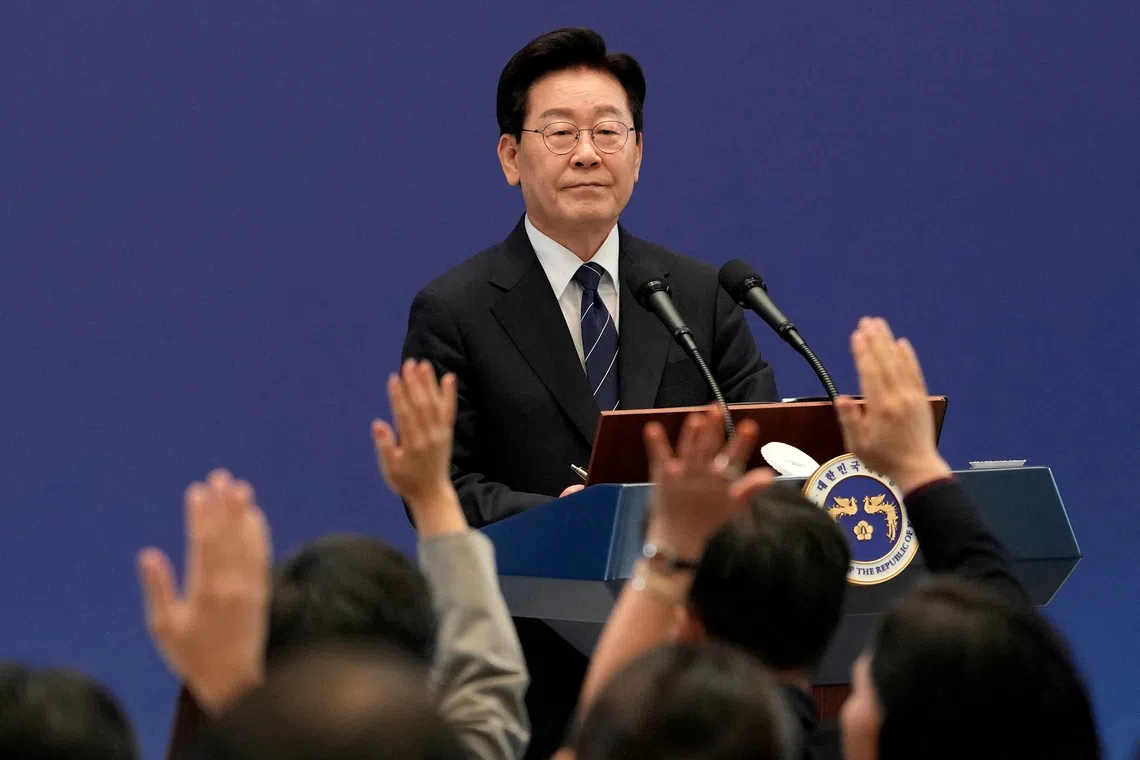
South Korea's leadership is caught between competing international and domestic pressures as tensions escalate around one of the world's most critical shipping lanes. The United States has been seeking greater contributions from its regional allies to ensure stability in the Strait of Hormuz, a vital conduit for global energy supplies. For Seoul, compliance with such requests could enhance its strategic partnership with Washington but risks triggering considerable domestic backlash.
President Lee faces particular sensitivity on the issue of military deployments abroad. South Korea maintains a significant military presence in several regions, and any expansion of overseas commitments typically encounters strong opposition from lawmakers, civil society groups, and the general public. Domestic political considerations have historically constrained Seoul's ability to rapidly deploy forces or expand military engagement without extensive parliamentary debate.
The timing adds another layer of complexity to the situation. South Korea's economy remains heavily dependent on maritime trade passing through the Strait of Hormuz, making regional stability a direct national interest. Yet the government must carefully weigh this economic reality against domestic political constraints when formulating its response to international pressure.
Diplomatic sources suggest Seoul is exploring middle-ground approaches that could demonstrate solidarity with Washington while limiting controversial military commitments. Such options might include enhanced intelligence-sharing arrangements, limited naval presence increases, or financial contributions to regional security initiatives. How effectively President Lee manages these competing pressures will likely influence both Seoul's standing with key allies and domestic political stability in coming months.