Technology · Singapore Bureau
South Korea plans unmanned systems to lead future combat operations
Seoul is developing a battlefield doctrine that deploys robotic systems ahead of troops to minimize soldier casualties and enhance operational effectiveness. The strategy reflects a shift toward technology-driven military tactics expected by 2040.
LSN Singapore ·
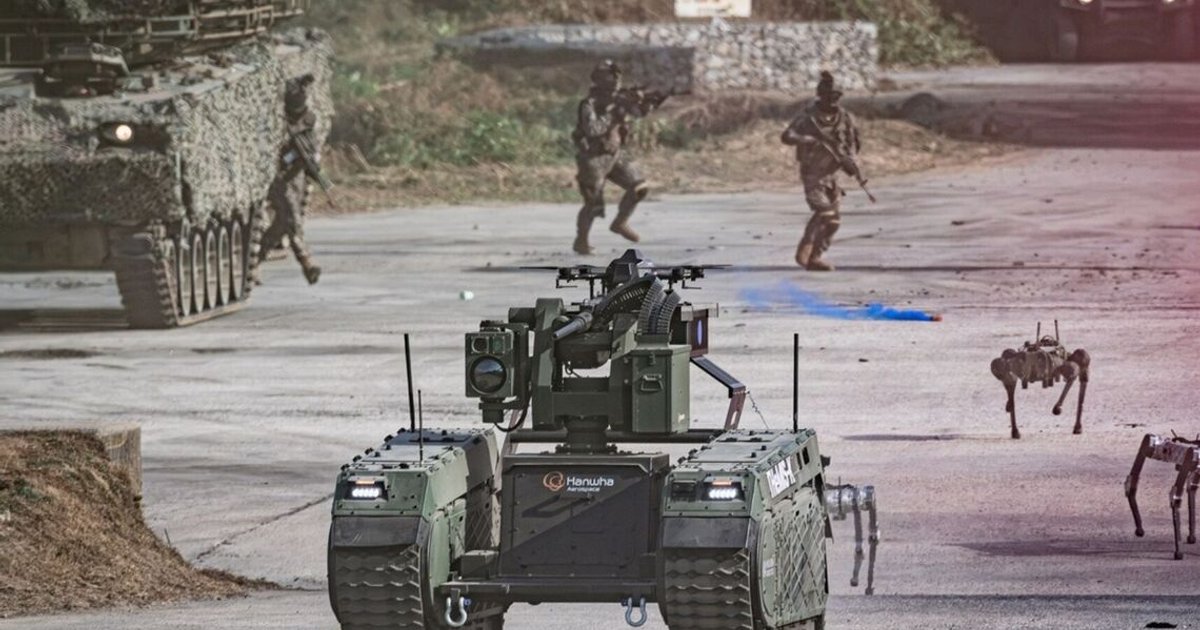
South Korean defence planners are reimagining combat operations around unmanned systems that would precede and support conventional forces on the battlefield. The strategic pivot seeks to reduce the direct exposure of soldiers to hostile fire while maintaining or improving combat capability and troop survival rates.
The approach represents a significant evolution in military doctrine, moving beyond current applications of robotics and autonomous systems toward an integrated model where unmanned platforms conduct reconnaissance, engage targets, and support operations before traditional ground forces are committed. This technological shift reflects growing concerns about force preservation and the declining military-age population in South Korea.
Defence strategists anticipate such systems will leverage advances in artificial intelligence, remote operation capabilities, and autonomous navigation to perform frontline duties traditionally assigned to infantry units. By establishing unmanned presence and dominance before deploying personnel, commanders aim to achieve tactical objectives with reduced risk to human life.
The tactical doctrine aligns with South Korea's broader defence modernisation programme, which has increasingly emphasised technology solutions to address demographic challenges and enhance combat effectiveness against potential regional threats. Military officials have indicated the framework could be substantially operational within the next decade and a half.