Politics · Singapore Bureau
South Korea's anti-stalking law struggles to stem persistent violence
Five years after its implementation, South Korea's anti-stalking legislation faces mounting questions about its effectiveness in protecting victims from harassment and violence. Experts and advocates say the law and accompanying victim-protection systems require significant reforms to address persistent enforcement gaps.
LSN Singapore ·
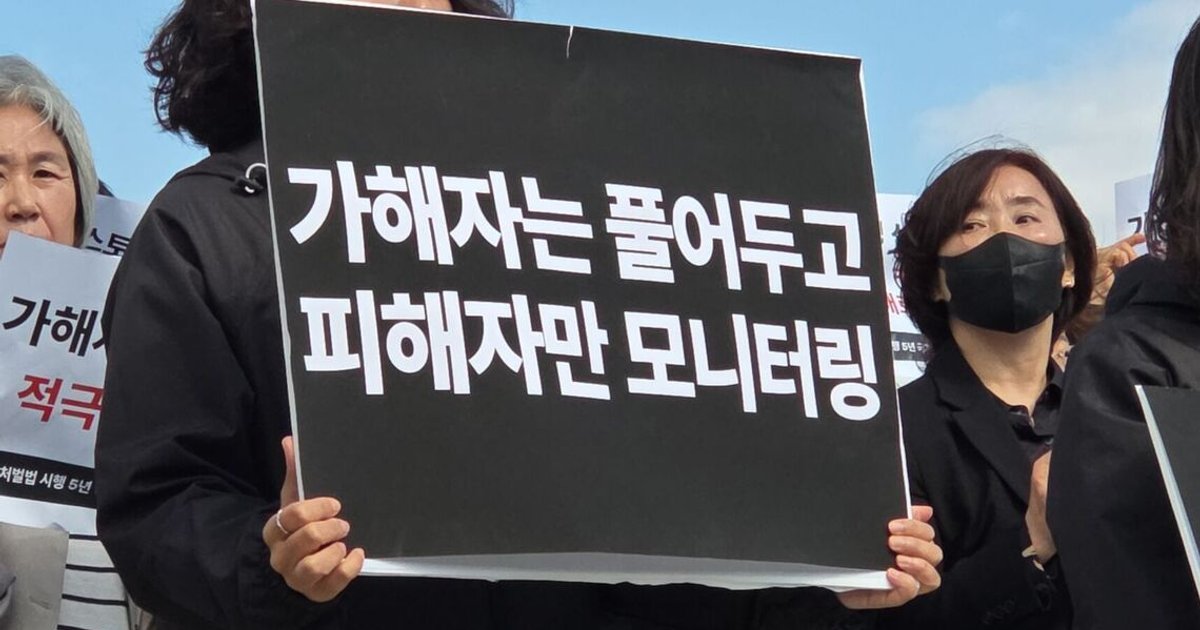
South Korea introduced its anti-stalking law in 2020 with the aim of addressing a growing crisis of harassment and intimate-partner violence. However, a review of the law's performance suggests that victims continue to face inadequate protection despite the legal framework designed to shield them from stalkers and abusers.
Victim advocacy groups have highlighted persistent challenges in law enforcement's response to stalking complaints. Cases frequently fall through the cracks due to inconsistent application of the statute, insufficient training among police officers, and evidentiary hurdles that place heavy burdens on victims to prove patterns of harassment. Many stalking incidents are not formally recorded, and penalties for violations have proven insufficient to deter repeat offenders.
The limitations of the current system are further compounded by delays in obtaining protective orders and inadequate coordination between law enforcement agencies and victim-support services. Domestic violence specialists note that stalking often precedes or accompanies more serious physical violence, making early intervention critical.
Legislators and civil society organizations are now calling for comprehensive reforms, including stricter penalties, better-trained specialized police units, and streamlined procedures for obtaining restraining orders. Advocates stress that closing these enforcement gaps is essential to realizing the law's original promise of victim protection.