Politics · Singapore Bureau
South Korea's indie music venues face closure threat over dancing rules
Small live music establishments registered as restaurants are caught in regulatory grey area, facing suspension orders for permitting patrons to dance. The clash between business classifications and entertainment regulations threatens the survival of Seoul's vibrant indie music scene.
LSN Singapore ·
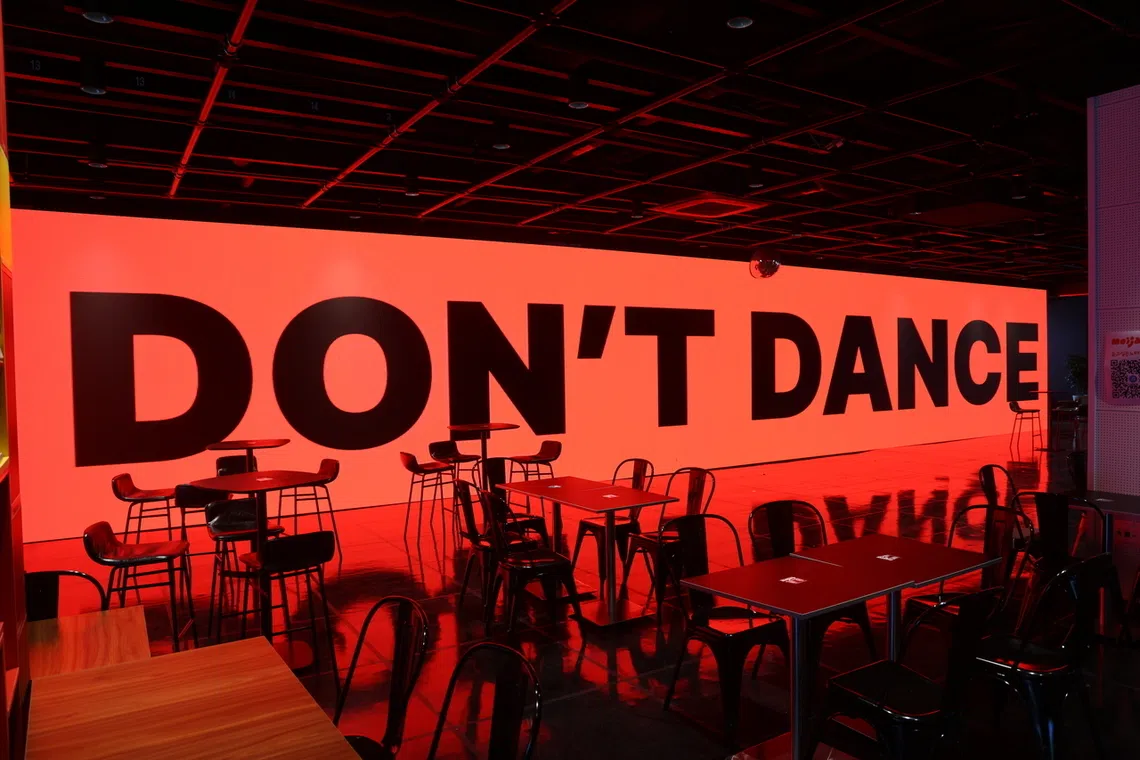
South Korea's small independent music venues are grappling with an unexpected regulatory crisis as authorities crack down on dancing in establishments technically classified as restaurants rather than dedicated nightclubs.
Many of the country's intimate live music bars operate under restaurant permits to navigate lower licensing costs and regulatory requirements. However, this classification creates a legal contradiction: venues registered as food establishments are technically prohibited from allowing patrons to dance, even when live performances are underway.
Local authorities have begun issuing suspension orders against venues where dancing occurs, forcing owners into an impossible position. Operators cannot easily reclassify their businesses without substantial financial investment and meeting stricter safety and facility standards required for entertainment venues. The regulatory framework, designed for larger commercial establishments, does not account for the operational realities of smaller music spaces.
The crackdown threatens to reshape Seoul's indie music landscape, potentially eliminating affordable venues that have served as launching pads for emerging artists and cultural spaces for music enthusiasts. Industry stakeholders are calling for regulatory clarification that distinguishes between casual dancing during live performances and dedicated nightclub operations.
Government officials have not yet announced plans to revise the classification system, leaving venue operators in continuing uncertainty about their legal standing and business viability.