Politics · Singapore Bureau
South Korea tightens espionage laws to safeguard semiconductor industry
Seoul has enacted strengthened espionage legislation imposing minimum three-year prison sentences for those convicted of spying for foreign entities. The move reflects growing concerns over industrial espionage targeting the nation's critical chip manufacturing sector.
LSN Singapore ·
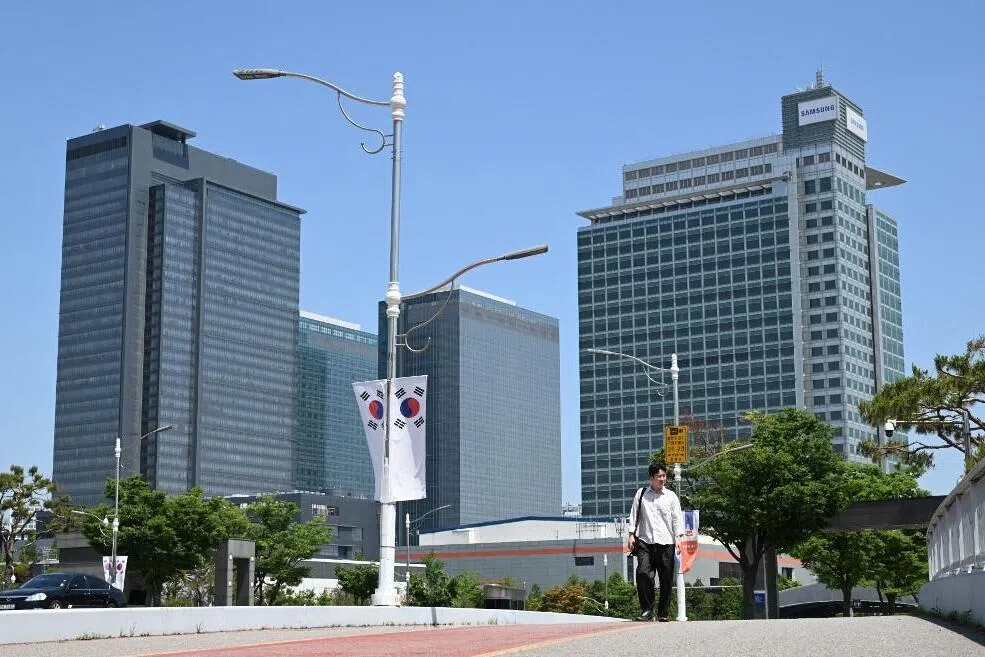
South Korea's revised espionage law has come into force, marking a significant escalation in the country's efforts to protect sensitive industrial assets from foreign intelligence operations. Under the expanded legislation, individuals convicted of conducting espionage on behalf of a foreign nation or external organisation face a mandatory minimum prison sentence of three years.
The tougher legal framework reflects South Korea's strategic priority in safeguarding its semiconductor industry, a cornerstone of the nation's economy and technological competitiveness. As a global leader in chip manufacturing, South Korea has become an increasingly attractive target for foreign intelligence agencies seeking to acquire proprietary technology and trade secrets.
The enhanced penalties represent a substantial increase from previous statutes, signalling Seoul's determination to deter potential spies and protect classified information related to advanced manufacturing processes. Officials have emphasised that the updated law is essential to maintaining the country's technological edge in an intensely competitive global market.
Industry analysts suggest the legislation may also serve as a deterrent to employees of major chipmakers who might be approached by foreign entities seeking to extract sensitive information. South Korea's chip sector, anchored by companies such as Samsung and SK Hynix, remains critical to both national security and economic prosperity.