World · World News Bureau
South Korea weighs military role in strategic Strait of Hormuz
Seoul is considering increased military contributions to ensure freedom of navigation through one of the world's most critical shipping lanes. The decision reflects growing concerns about regional security threats and the protection of South Korean commercial interests.
LSN World News ·
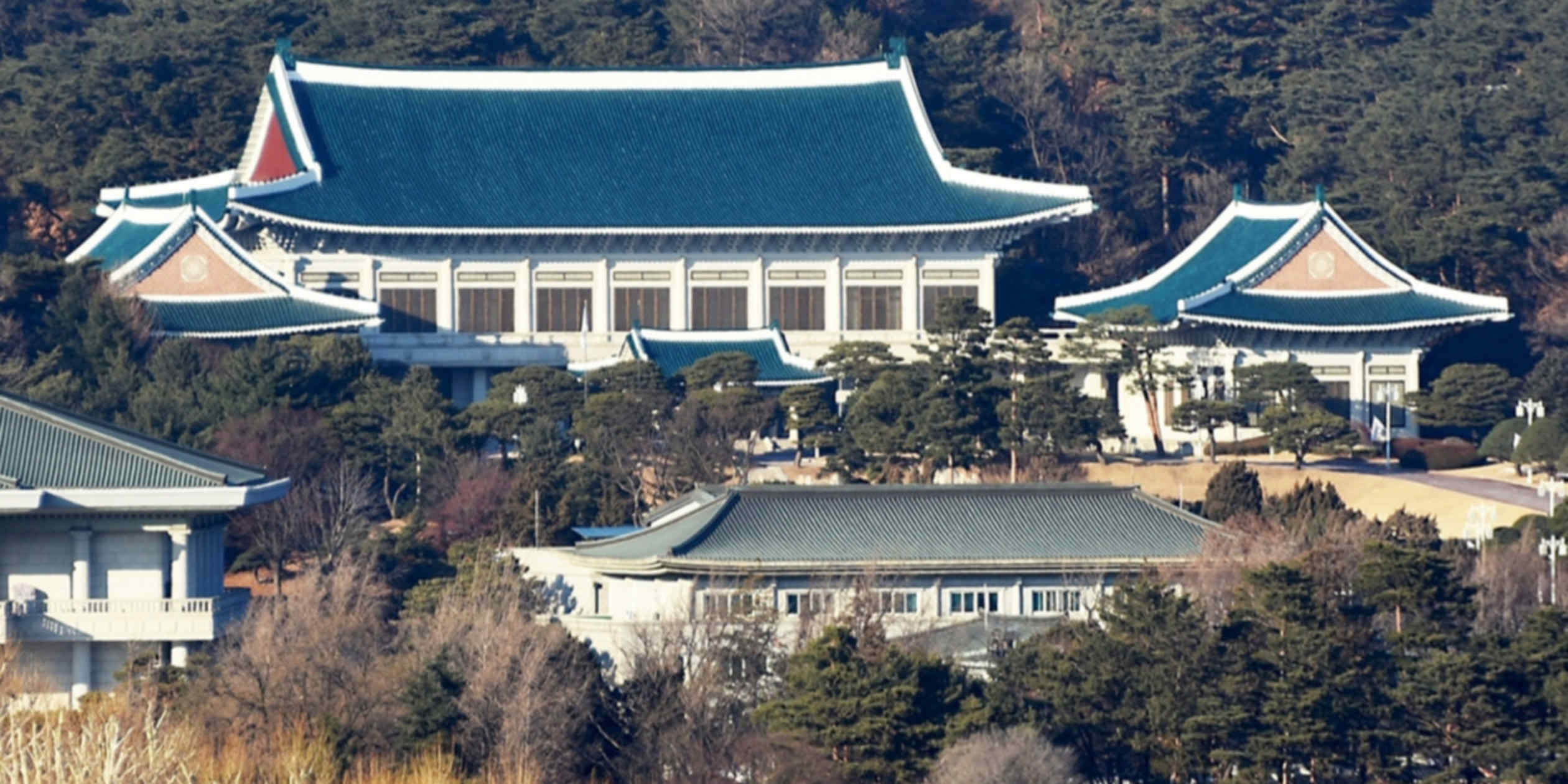
South Korea is exploring the possibility of deploying military assets to the Strait of Hormuz, one of the world's most strategically important waterways through which approximately one-third of global maritime trade passes. Officials in Seoul are assessing what form such contributions might take, as tensions in the Persian Gulf region persist and regional powers vie for influence over shipping corridors vital to international commerce.
The consideration comes amid broader regional security developments and South Korea's reliance on energy imports transiting the strait. Senior government officials have indicated that any military involvement would be designed to contribute to international efforts aimed at maintaining stability and ensuring unimpeded passage for commercial vessels, particularly those carrying goods destined for South Korean ports.
Defense analysts note that South Korea has previously deployed naval forces to international waters for counterpiracy operations and maritime security missions. A decision to extend these efforts to the Strait of Hormuz would represent an expansion of Seoul's role in regional security cooperation, though officials have emphasized that any deployment would be coordinated with allied nations and undertaken in accordance with international maritime law.
The move signals South Korea's determination to protect its economic interests while balancing diplomatic considerations with major regional powers. Seoul's deliberations reflect the complex security environment facing nations dependent on stable access to critical sea lanes and underscore the interconnected nature of modern global commerce and regional geopolitics.