Business · Singapore Bureau
South Korean coffee chains pursue aggressive retail expansion strategy
Major coffee operators in South Korea are making bold moves to capture a larger slice of the country's competitive retail sector, signalling a shift toward broader market ambitions beyond their core beverage business.
LSN Singapore ·
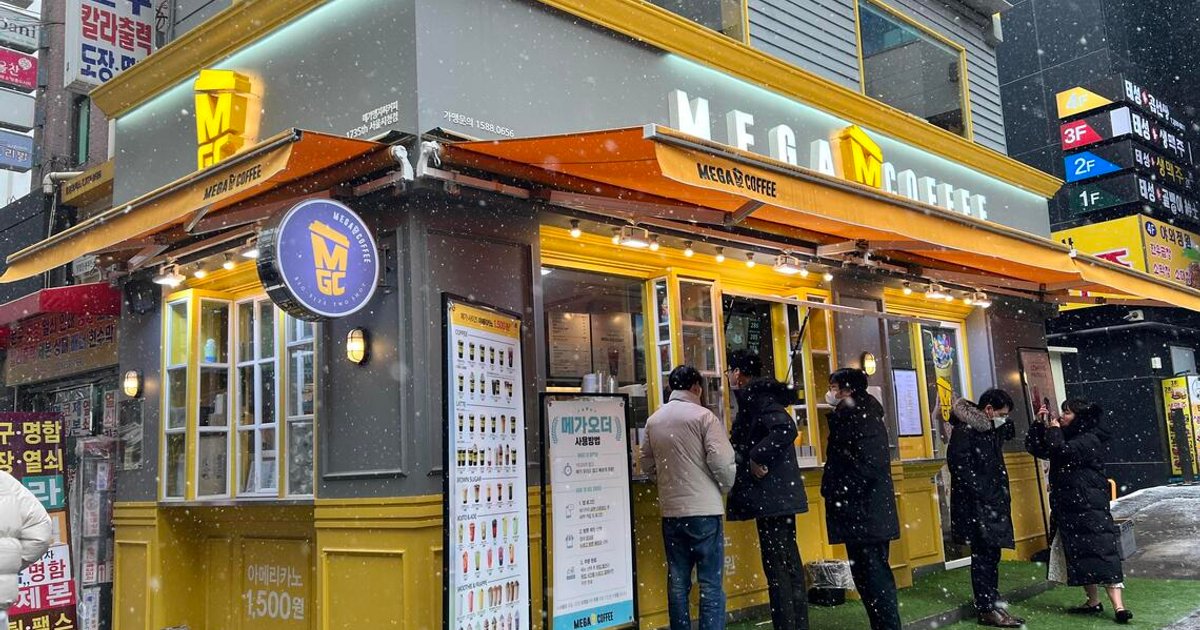
South Korea's leading coffee chains are embarking on an expansion drive that extends far beyond their traditional café operations, seeking to strengthen their foothold across the retail landscape. The strategic push reflects growing recognition among major players that controlling premium retail real estate and customer touchpoints offers substantial commercial advantages in an increasingly crowded market.
The coffee sector, long dominated by international and domestic brands vying for shelf space and foot traffic in urban centres, is now witnessing consolidation efforts aimed at vertical integration and diversification. By acquiring or controlling retail locations, major chains can secure prime positioning for their products while reducing dependency on third-party distributors and retailers.
This expansion strategy aligns with broader trends across Asia's consumer markets, where established food and beverage operators seek to capture greater margins by controlling their distribution channels. For South Korean coffee chains, the move represents an evolution from single-product vendors to comprehensive retail operators managing multiple brand touchpoints and customer experiences.
Industry analysts note that the competitive intensity in South Korea's coffee market has created pressure on operators to differentiate through retail presence and customer loyalty programmes. Control over retail spaces allows chains to curate customer experiences and cross-sell complementary products more effectively than traditional wholesale arrangements.
The outcome of this retail consolidation could reshape South Korea's commercial landscape, particularly in high-value urban markets where coffee chains currently maintain substantial brand recognition and customer bases.