World · Singapore Bureau
South Korean coral decline signals warming ocean threat to Asia
Marine heatwaves around Korea have quadrupled in duration over the past decade, alarming scientists and divers studying the impact of climate change on regional ecosystems. The extended warming periods are driving visible deterioration of coral populations in South Korean waters.
LSN Singapore ·
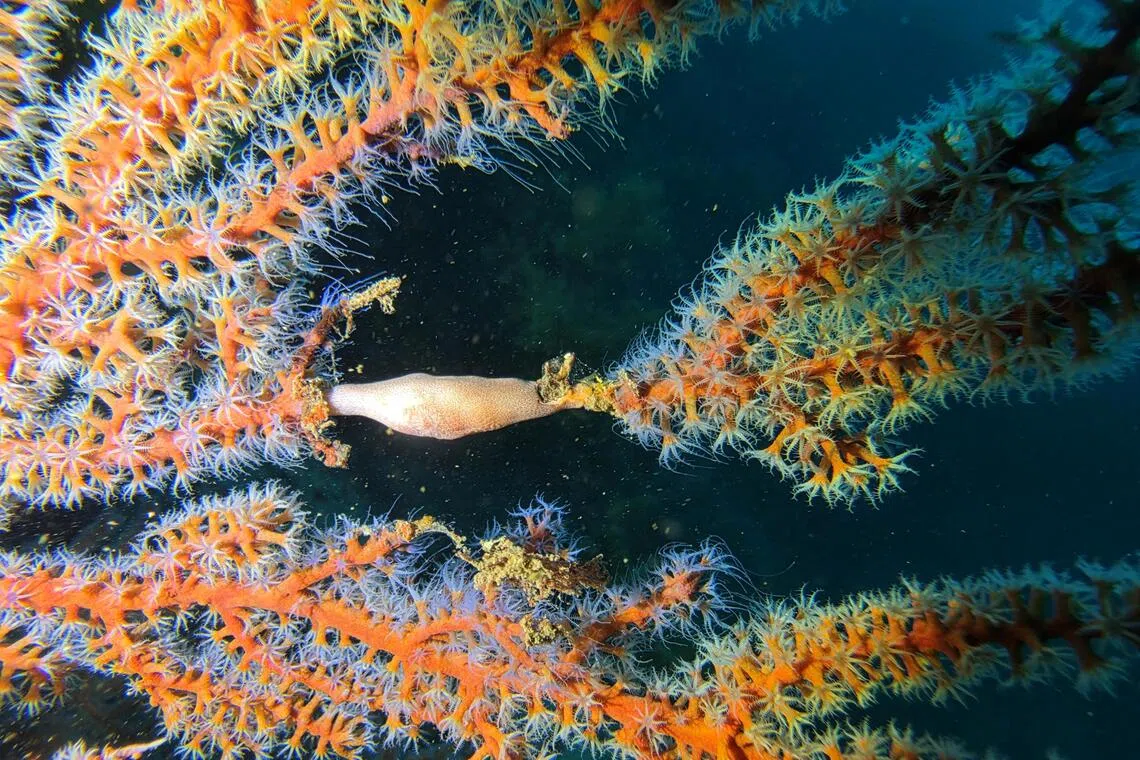
Marine heatwaves in Korean waters have become a mounting concern for environmental researchers and diving communities, with data showing a dramatic shift in ocean conditions over recent years. The duration of these warming events has extended to an average of 83.3 days over the past decade—nearly four times longer than previously recorded patterns.
The prolonged heatwaves are taking a visible toll on coral populations in the region, with divers and scientists reporting noticeable decline in marine life. Coral bleaching and degradation have become more frequent occurrences, signaling broader disruptions to the delicate balance of Korea's coastal ecosystems.
The findings underscore the accelerating pace of climate change in East Asian waters and raise concerns about the resilience of marine biodiversity in the region. Scientists emphasize that the trend reflects global warming patterns affecting the broader Indo-Pacific region, where rising sea temperatures continue to stress vulnerable coral populations.
Research efforts are intensifying to monitor the health of Korean marine ecosystems and understand the long-term implications for fisheries, tourism, and biodiversity. Environmental advocates warn that without concerted action to address climate change, further deterioration of coral systems could have cascading effects on regional food security and coastal economies throughout South and Southeast Asia.