Culture & Entertainment · Singapore Bureau
South Korean monk uses viral K-pop dances to revitalise Buddhism among youth
A Buddhist monk in South Korea is capturing younger audiences through choreographed K-pop performances shared on social media, reflecting broader efforts by the country's Buddhist community to modernise its appeal and maintain relevance in a rapidly evolving society.
LSN Singapore ·
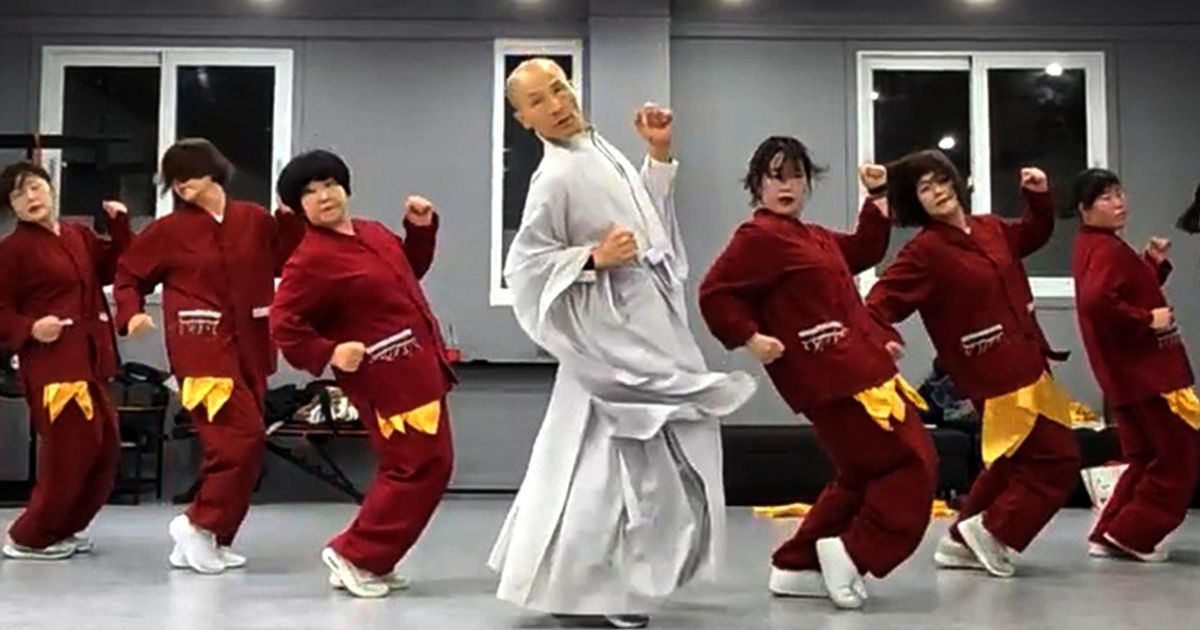
South Korea's Buddhist establishment is embracing unconventional methods to engage younger generations, with one monk at the forefront of this cultural shift. By performing viral K-pop dance routines, the monk has tapped into a powerful medium that resonates with digital-native audiences, demonstrating how religious institutions are adapting their outreach strategies in the 21st century.
The initiative reflects wider concerns within South Korea's Buddhist community about waning youth participation and declining relevance among younger demographics. As traditional approaches to religious engagement become less effective, temples and monks are experimenting with creative alternatives that integrate popular culture and contemporary entertainment.
The dancing monk's performances have generated significant social media attention, positioning him as a bridge between Buddhist teachings and the interests of younger South Koreans. His approach has resonated beyond religious circles, highlighting how cultural institutions across Asia are leveraging entertainment and digital platforms to remain meaningful to evolving audiences.
The phenomenon underscores broader transformations within Asian Buddhism as communities navigate modernisation while preserving spiritual traditions. South Korea's Buddhist institutions increasingly recognise that connecting with youth requires meeting them in spaces where they already engage, whether through social media, entertainment, or popular culture. This strategic pivot suggests a pragmatic acceptance that institutional relevance in the digital age demands innovation alongside tradition.