Politics · Malaysia Bureau
South Korean President Lee rules out second presidential term
President Lee Suk-yeol has stated he will not pursue another term as South Korea's leader, aligning with constitutional restrictions that prohibit presidents from serving consecutive mandates.
LSN Malaysia ·
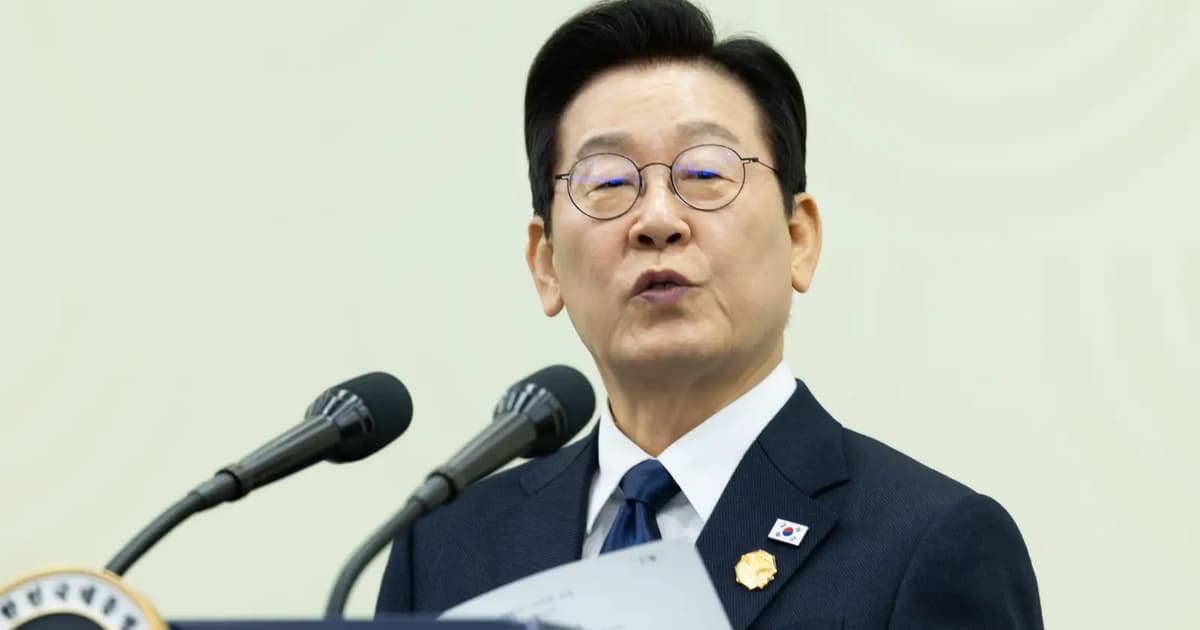
South Korean President Lee Suk-yeol has made clear his position that he will not seek a second presidential term, underscoring his commitment to the nation's constitutional framework governing executive tenure.
Under South Korea's constitution, sitting presidents are constitutionally barred from pursuing re-election for a consecutive second term. This single-term limitation has been a defining feature of the South Korean political system for decades, designed to prevent the concentration of executive power.
Lee's statement comes as the country continues to navigate significant political and economic challenges, including regional tensions and domestic policy priorities. His clarification on his presidential ambitions provides clarity to South Korean voters and the broader political landscape as the nation looks toward its future leadership succession.
The constitutional restriction on presidential re-election remains one of the most distinctive features of South Korea's democratic system, distinguishing it from many other democracies where leaders may seek multiple consecutive terms. Lee's adherence to this principle reflects the established norms of South Korean political governance.