World · Singapore Bureau
Southeast Asia grapples with decentralised youth radicalisation threat
Security agencies across the region are adapting counter-extremism strategies as young people increasingly turn to violence without formal recruiters or ideological anchors. The shift is forcing authorities to rethink how they identify and intervene with at-risk individuals.
LSN Singapore ·
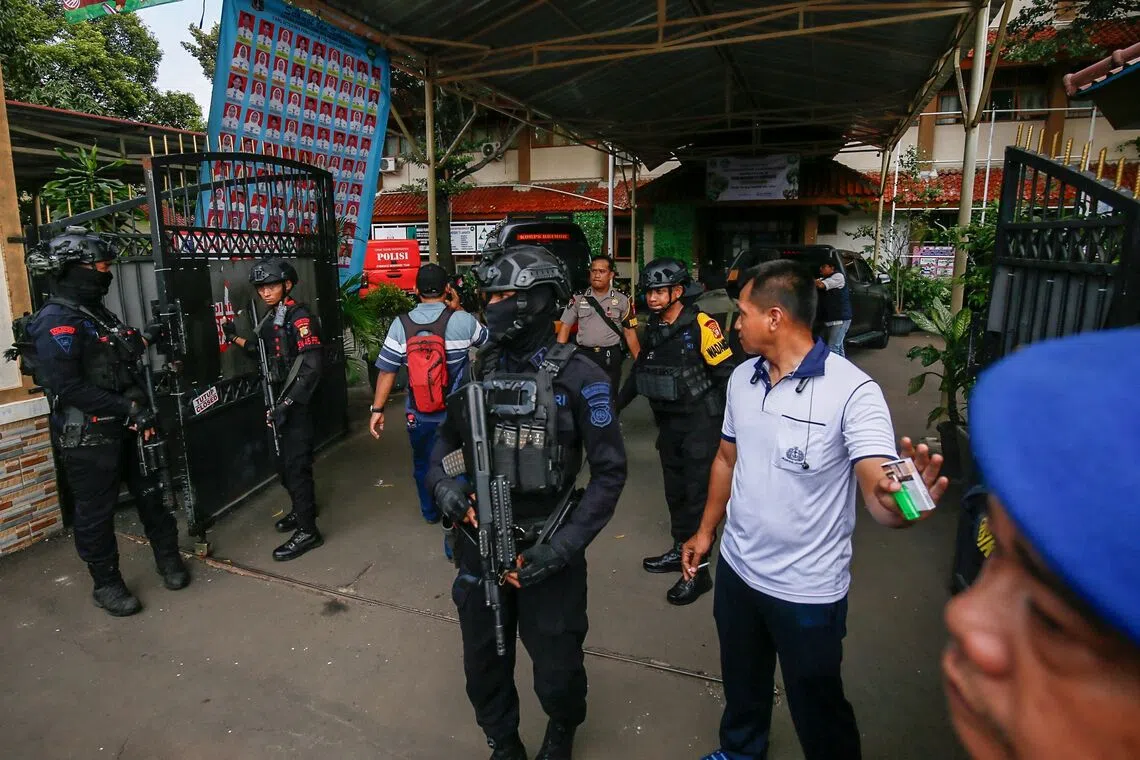
Southeast Asian governments are confronting a new dimension of youth extremism that defies traditional security frameworks. Rather than joining established terrorist organisations with clear hierarchies and doctrines, young people in the region are increasingly gravitating towards violence through decentralised networks, online platforms and peer influence, complicating efforts to detect and prevent radicalisation.
The changing nature of the threat reflects broader shifts in how extremist ideology spreads and takes root. Without gatekeepers or formal recruitment processes, individuals can adopt violent ideologies piecemeal or develop grievances that motivate action independent of any overarching organisational structure. This atomisation makes the threat harder to map using conventional intelligence methods.
Security officials across South and Southeast Asia are recalibrating their approaches to counter-extremism work. Rather than focusing solely on dismantling terrorist groups, authorities are increasingly examining the social, psychological and digital factors that drive young people towards violence. Intervention strategies are shifting towards early identification of at-risk individuals and community-based prevention programmes.
The challenge is particularly acute in urban centres where young people have access to diverse online content and exist within fragmented social networks. Agencies are working to develop better tools for recognising signs of radicalisation while balancing security concerns with civil liberties and youth engagement initiatives designed to provide alternative pathways and meaning.