World · Thailand Bureau
Southeast Asia hit by hazardous air quality, triggering maximum alerts
Several regions across Southeast Asia have activated their highest air quality warning levels as smoke and haze blanket populated areas. The hazardous conditions are affecting millions of residents and prompting health advisories across the region.
LSN Thailand ·
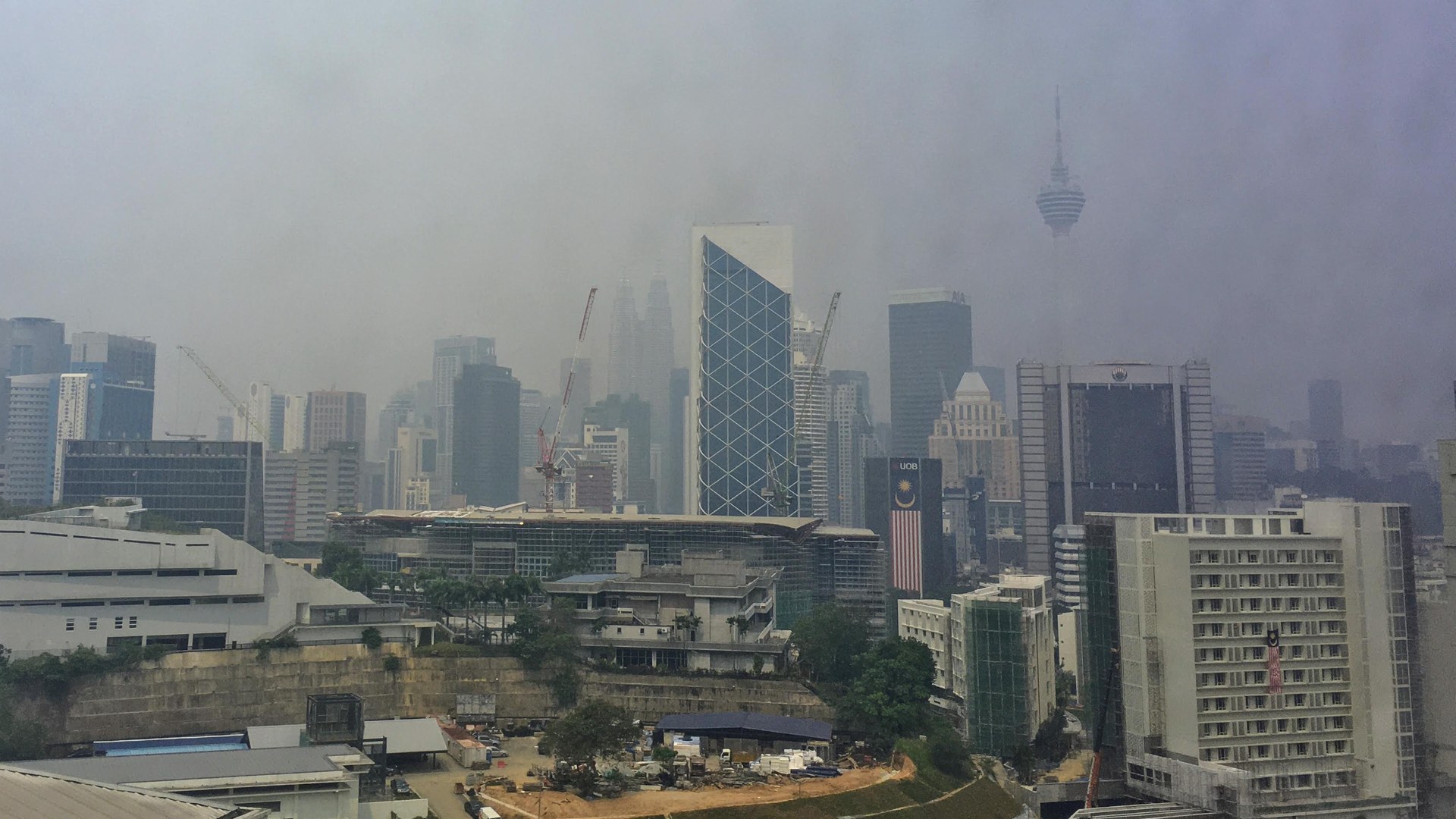
Air quality in parts of Southeast Asia has deteriorated to hazardous levels, forcing authorities to issue maximum-level alerts in affected areas. The thick haze, which has reduced visibility and blanketed cities in smoke, is posing significant health risks to the general population, particularly vulnerable groups including children, elderly persons, and those with respiratory conditions.
The air quality crisis has prompted regional governments to activate their most severe warning protocols. Authorities are advising residents to limit outdoor activities, wear protective masks when venturing outside, and monitor official air quality indices for real-time updates on conditions in their localities.
Transboundary haze has been a recurring problem in Southeast Asia, particularly during dry seasons when agricultural burning and forest fires in neighboring countries can push smoke across borders. The current situation underscores the need for continued regional cooperation on environmental management and air quality monitoring.
Healthcare facilities have reported increased cases of respiratory complaints as the haze persists. Officials across the region are urging the public to take precautionary measures and seek medical attention if experiencing breathing difficulties or other haze-related health symptoms.
Photo: The Kuala Lumpur skyline covered in haze, September 2019. Benjy8769 via Wikimedia Commons (CC BY-SA 4.0).