Technology · Malaysia Bureau
Southeast Asia's Growth Splits as AI Boom Reshapes Regional Economies
Malaysia and Singapore are capitalizing on surging global demand for semiconductors and technology components, emerging as the region's second and third fastest-growing economies after Vietnam. The divergence underscores how some Southeast Asian nations are better positioned to benefit from the artificial intelligence boom and shifting supply chains.
LSN Malaysia ·
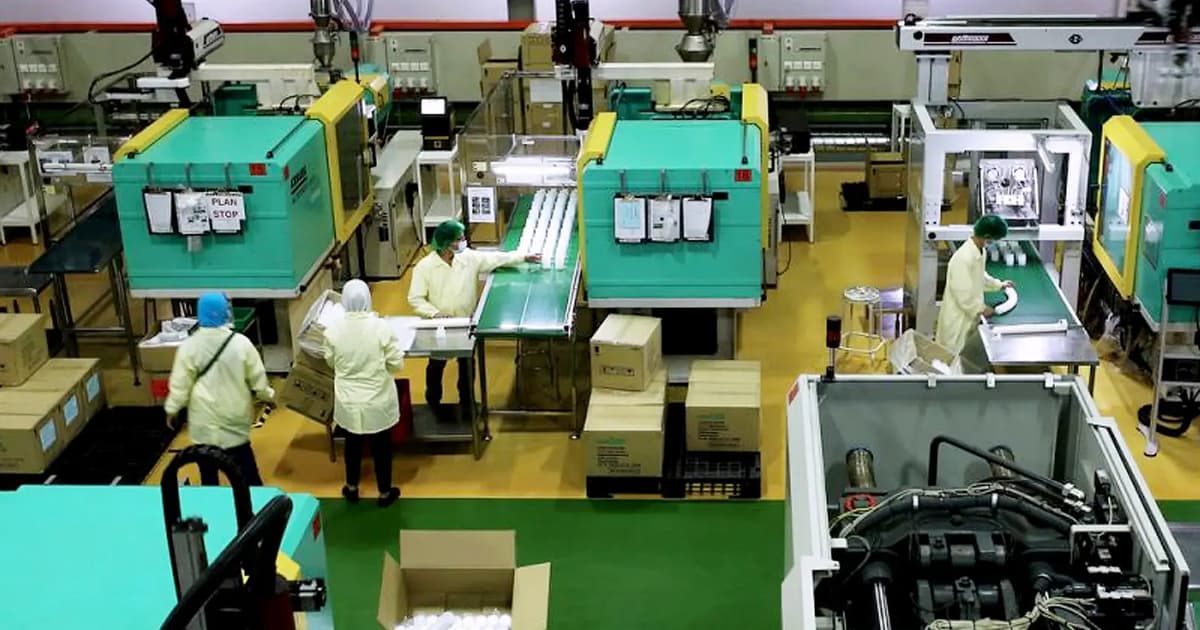
Southeast Asia's economic performance is increasingly diverging, with Malaysia and Singapore pulling ahead of their regional peers by tapping into robust global demand for semiconductors and advanced technology components. Both nations have become critical nodes in international supply chains supporting the AI revolution and broader technology expansion, driving their outperformance relative to other Association of Southeast Asian Nations members.
Vietnam maintains its position as the region's fastest-growing economy, but Malaysia's second-place ranking and Singapore's third-place finish reflect their strategic advantages in tech manufacturing and semiconductor assembly. These capabilities have proven particularly valuable as multinational corporations diversify away from China and seek alternative production hubs amid geopolitical tensions.
The uneven growth trajectory across Southeast Asia highlights the complex interplay between technological opportunity and regional vulnerabilities. While tech-focused economies benefit from the AI boom, other regional members face headwinds from energy price shocks and slower adaptation to shifting global supply chain patterns. This bifurcation may widen unless other Southeast Asian nations develop comparable technological capabilities or find alternative growth engines.
Analysts expect the divergence to persist as long as semiconductor demand remains elevated and companies continue building redundant manufacturing capacity across Asia. Malaysia and Singapore's ability to maintain competitive advantages in precision manufacturing and technology services will likely determine whether their current growth advantage becomes sustained over the medium term.