World · Malaysia Bureau
Southeast Asia's Man-Made Fire Crisis: Why Penalties Fail to Stop Repeat Blazes
Despite identification of those responsible and enforcement actions, recurring annual fires continue to plague the region. Experts question the effectiveness of current penalties and prevention strategies in curbing the cycle.
LSN Malaysia ·
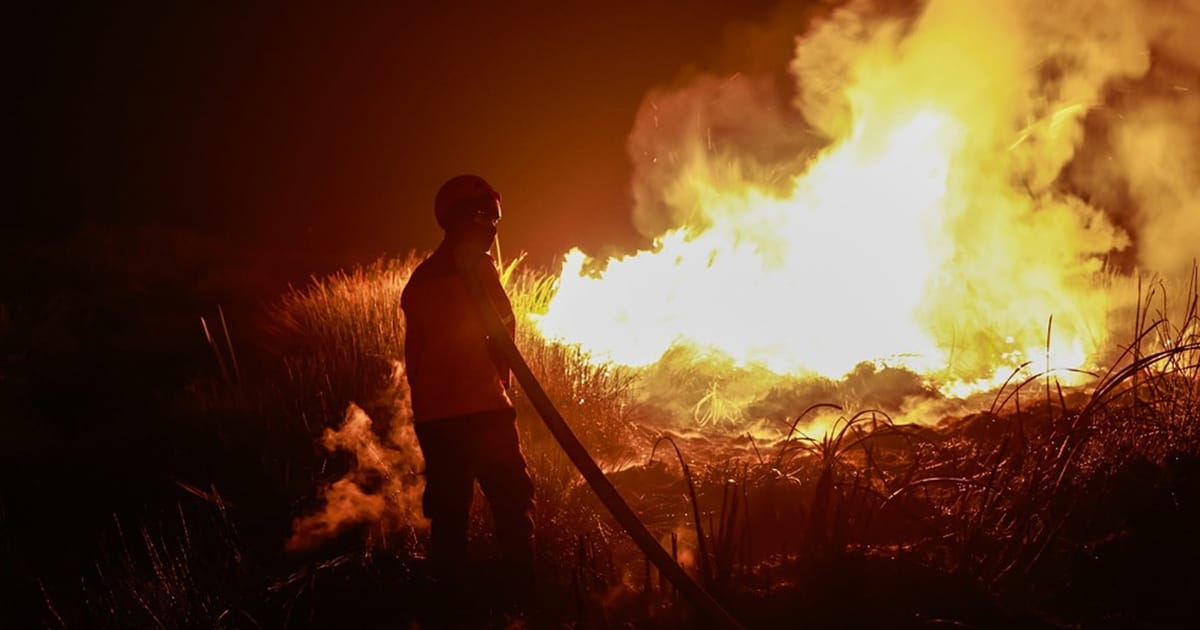
Authorities across Southeast Asia have implemented measures to identify and prosecute those responsible for fire-related disasters, yet the region continues to experience destructive blazes year after year. The persistent cycle raises critical questions about whether existing punitive measures are sufficient to deter deliberate or negligent fire-setting practices.
Many of the region's fires stem from agricultural clearing and land preparation activities, often conducted through burning despite repeated warnings and legal prohibitions. While enforcement agencies have documented offenders and pursued legal action, the pattern of recurrence suggests that current penalties may lack sufficient deterrent value or are inadequately enforced across vast territories.
Experts point to several systemic challenges hampering prevention efforts. These include difficulties in monitoring remote areas, limited resources for consistent enforcement, and gaps in coordination between regional authorities. Additionally, economic pressures facing farming communities and unclear liability in cases of uncontrolled fire spread complicate accountability.
As fire season approaches annually, calls grow louder for a reassessment of current strategies. Stakeholders argue that more stringent penalties, improved monitoring technology, and community-based prevention programs may be necessary to break the destructive pattern that affects air quality, public health, and the environment across the region.