World · World News Bureau
Southeast Asia's Transborder Haze Crisis Demands Regional Action on Farm Fires
Environmental experts warn that Southeast Asia's recurring air pollution episodes will continue unless governments tackle the economic incentives driving large-scale land clearing. The region's seasonal haze problem reflects a fundamental imbalance where polluters bear minimal costs while neighboring countries absorb the health and environmental damage.
LSN World News ·
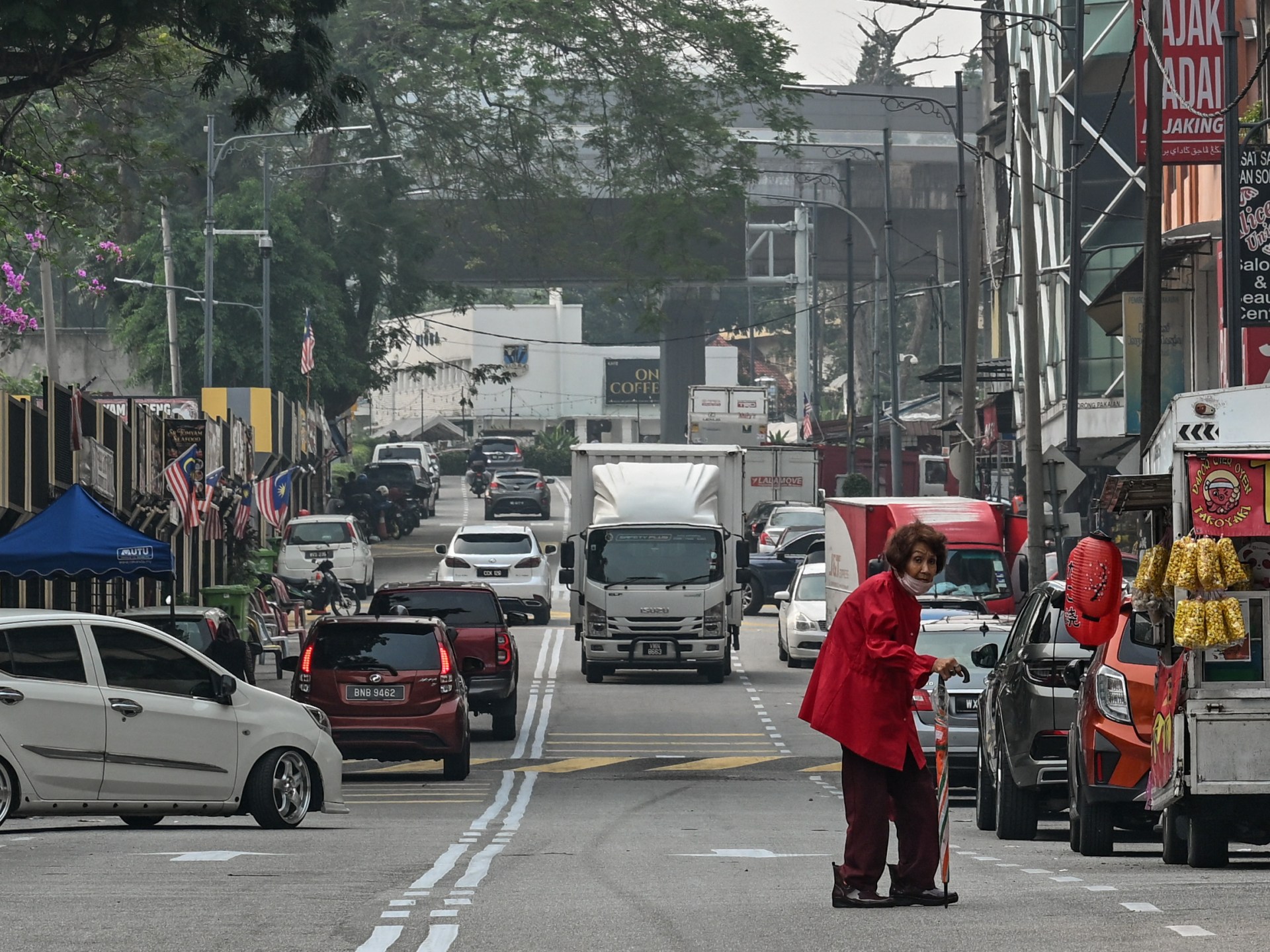
Southeast Asia faces an intractable air quality crisis rooted in agricultural economics rather than environmental capacity alone. Each dry season, vast tracts of farmland across the region go up in smoke as producers opt for cheap land-clearing methods, generating thick haze that blankets multiple countries and affects millions of people. The problem persists because the cost of these fires—measured in respiratory illness, reduced visibility, and ecosystem damage—falls primarily on neighboring nations rather than on those profiting from the cleared land.
The transborder nature of the pollution amplifies the challenge. Smoke from forest clearing in one country reaches population centers hundreds of kilometers away, straining healthcare systems and disrupting daily life across borders. Yet without coordinated regional enforcement and economic penalties, individual governments struggle to justify stricter domestic regulations that might disadvantage their own agricultural sectors relative to competitors.
Environmental analysts emphasize that addressing the crisis requires fundamental shifts in how Southeast Asian nations price land clearing. Options under discussion include carbon taxes on slash-and-burn practices, stricter enforcement of existing environmental laws, and regional agreements that hold polluters financially accountable for transborder damage. Some observers have called for ASEAN-wide standards and compliance mechanisms that would level the playing field across member states.
Without such structural changes, the region faces a recurring cycle. As long as cheap land clearing remains economically advantageous relative to alternative methods, producers will have little incentive to change practices. Regional policymakers acknowledge the problem but have struggled to implement solutions that satisfy competing economic and political interests. The coming dry season will likely bring renewed air quality crises unless governments move beyond voluntary measures to binding enforcement mechanisms and market-based accountability.