World · World News Bureau
Southeast Asia seeks stronger legal remedies for regional air pollution crisis
Experts say ASEAN's consensus-based governance model and weak enforcement mechanisms have hindered efforts to hold polluters accountable for transboundary haze that regularly blankets the region. The institutional challenges underscore growing frustration among policymakers and environmental advocates.
LSN World News ·
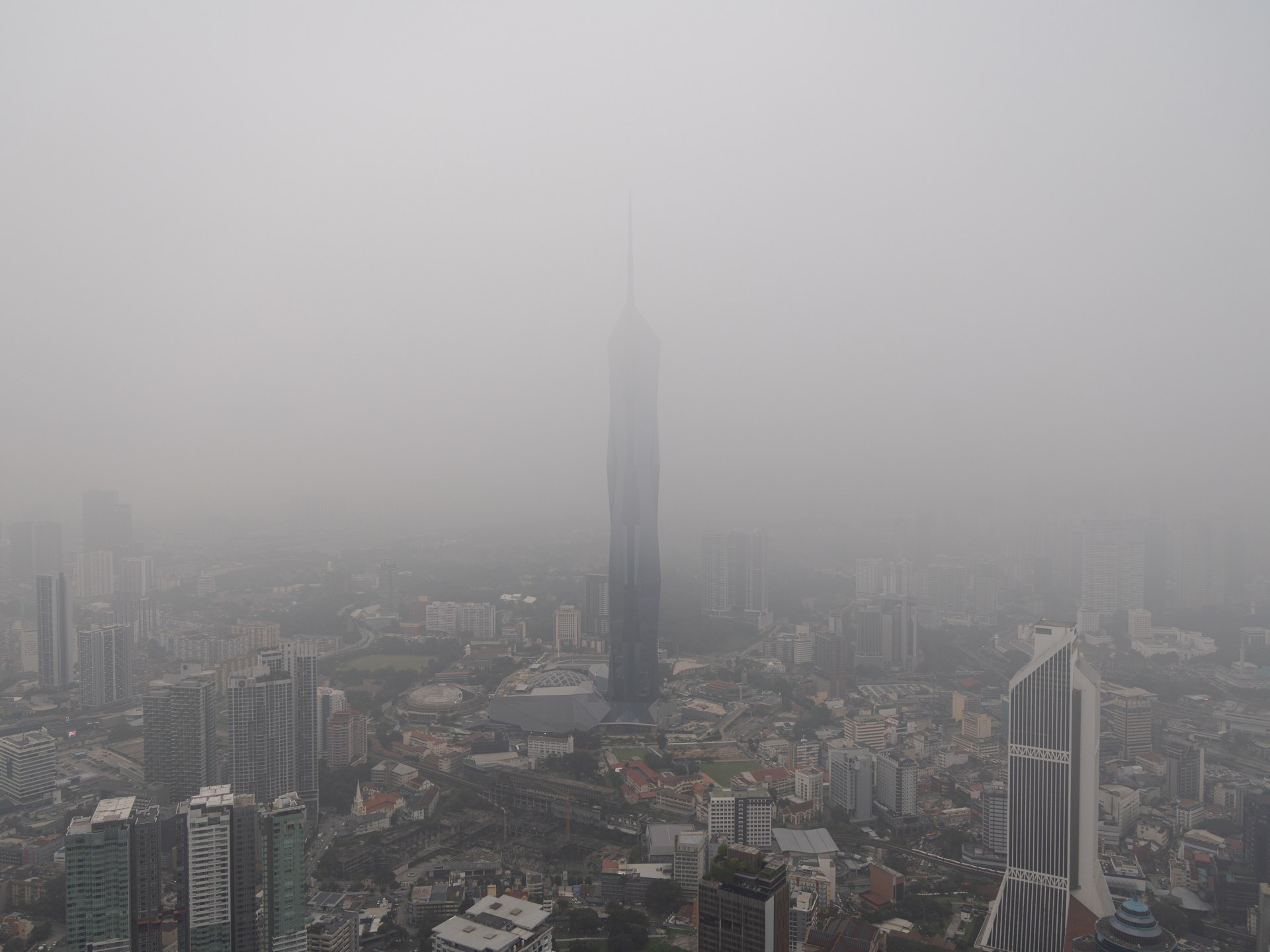
Recurring haze episodes across Southeast Asia have intensified pressure on governments to pursue legal action against pollution sources, but institutional obstacles continue to impede enforcement efforts. The Association of Southeast Asian Nations operates through consensus-driven decision-making processes that prioritize diplomatic unanimity over aggressive regulatory action, creating gaps in accountability mechanisms needed to penalize major polluters.
Environmental experts point to structural weaknesses in ASEAN's framework for addressing transboundary air pollution. Member states lack binding enforcement tools and face limited recourse when pollution originating in one country causes widespread damage across borders. This governance gap has particularly hampered efforts to address haze linked to agricultural burning and industrial activities in Southeast Asia's major emitting regions.
The challenge reflects a broader tension within ASEAN between national sovereignty and collective action on shared environmental problems. While member states acknowledge the scale of air quality crises affecting millions of residents, they remain reluctant to surrender discretionary powers to regional enforcement bodies. Legal experts suggest that stronger multilateral agreements with clear penalties and mandatory compliance mechanisms would be needed to meaningfully deter future pollution events.
Advocates for environmental accountability are calling on ASEAN to adopt more stringent protocols and establish independent monitoring systems. Without substantive reforms to enforcement infrastructure, they argue, the region will continue cycling through pollution emergencies without addressing root causes or holding responsible parties legally liable for cross-border haze damage.