World · World News Bureau
Southeast Asia seeks sustained relief as fires persist despite rainfall
Precipitation has provided temporary respite from raging wildfires across Southeast Asia, yet underground peat fires continue to smoulder beneath the surface. The ongoing crisis threatens air quality across the region and challenges containment efforts.
LSN World News ·
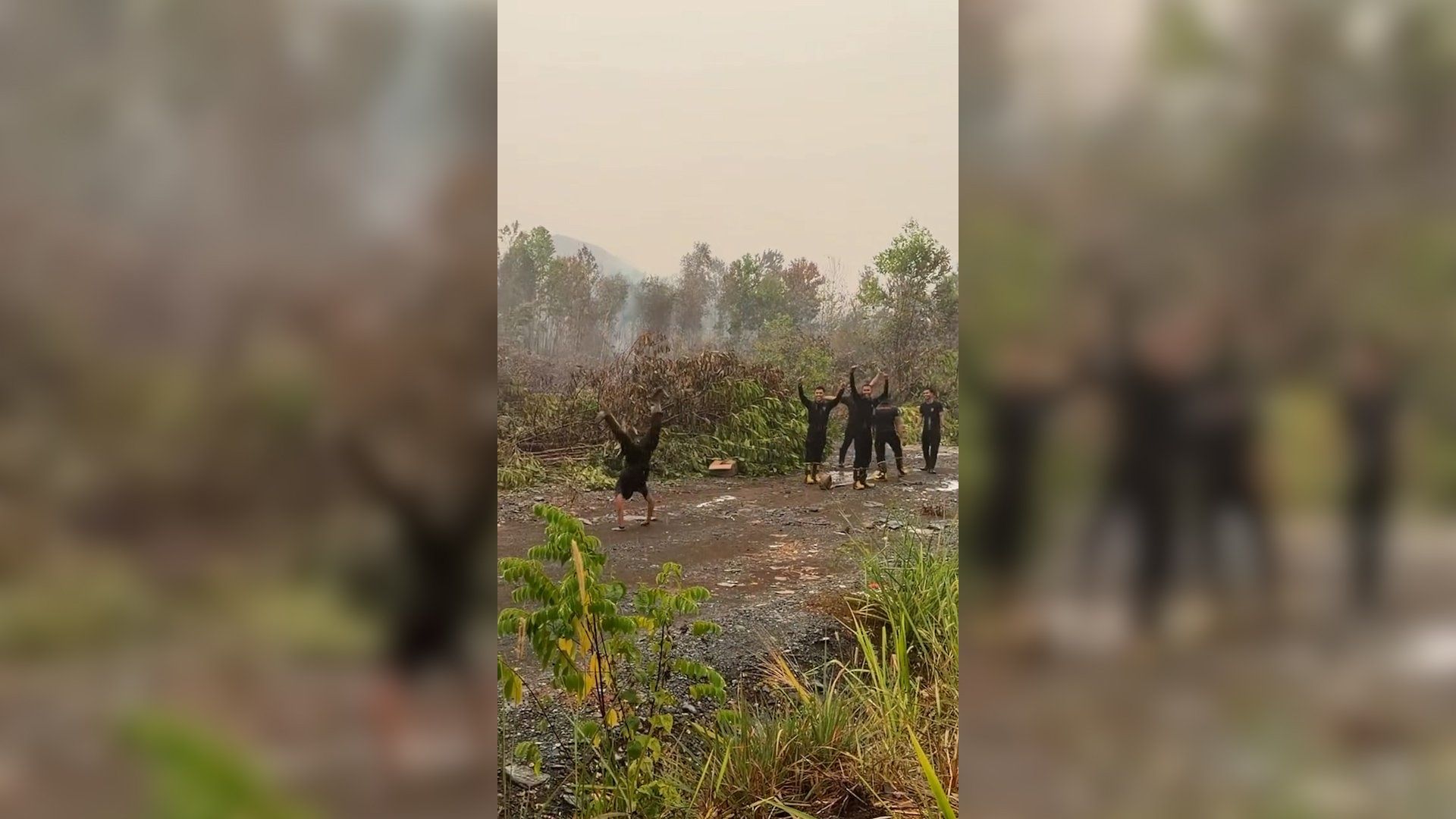
Rainfall across fire-affected areas of Southeast Asia has offered a brief window of relief from active wildfires that have engulfed large swathes of forest in recent weeks. The precipitation has helped suppress surface flames and reduced smoke density in several affected zones, providing temporary improvement to air quality indices that had reached hazardous levels.
However, the reprieve masks a deeper challenge facing firefighting efforts throughout the region. Beneath the charred surface, peat fires continue to burn with little visible evidence of their presence. These subsurface blazes, which consume accumulated organic matter in peatland ecosystems, are notoriously difficult to extinguish and can smoulder for months or even years without intervention.
Authorities warn that the current rainfall may not be sufficient to combat the scale of underground fires still active across affected zones. Peat fires are particularly stubborn once ignited, requiring sustained moisture and targeted suppression techniques to fully contain. With the seasonal pattern of fires and haze recurring annually across the region, officials have emphasised the need for longer-term strategies to prevent future ecological disasters.
The smoke and haze generated by both surface and peat fires has significantly impacted air quality across multiple Southeast Asian nations, prompting health warnings and disruptions to transportation and daily life. Environmental experts stress that addressing the root causes of fire vulnerability, including land management practices and peatland preservation, remains essential to mitigating future crises.