World · World News Bureau
Southeast Asia Urged to Embrace Nuclear Energy Amid Rising Demand
Regional policymakers are facing mounting pressure to develop nuclear capacity as Southeast Asia confronts surging electricity demand and climate imperatives. Energy experts warn that preparation and regulatory frameworks must begin now to harness atomic power safely.
LSN World News ·
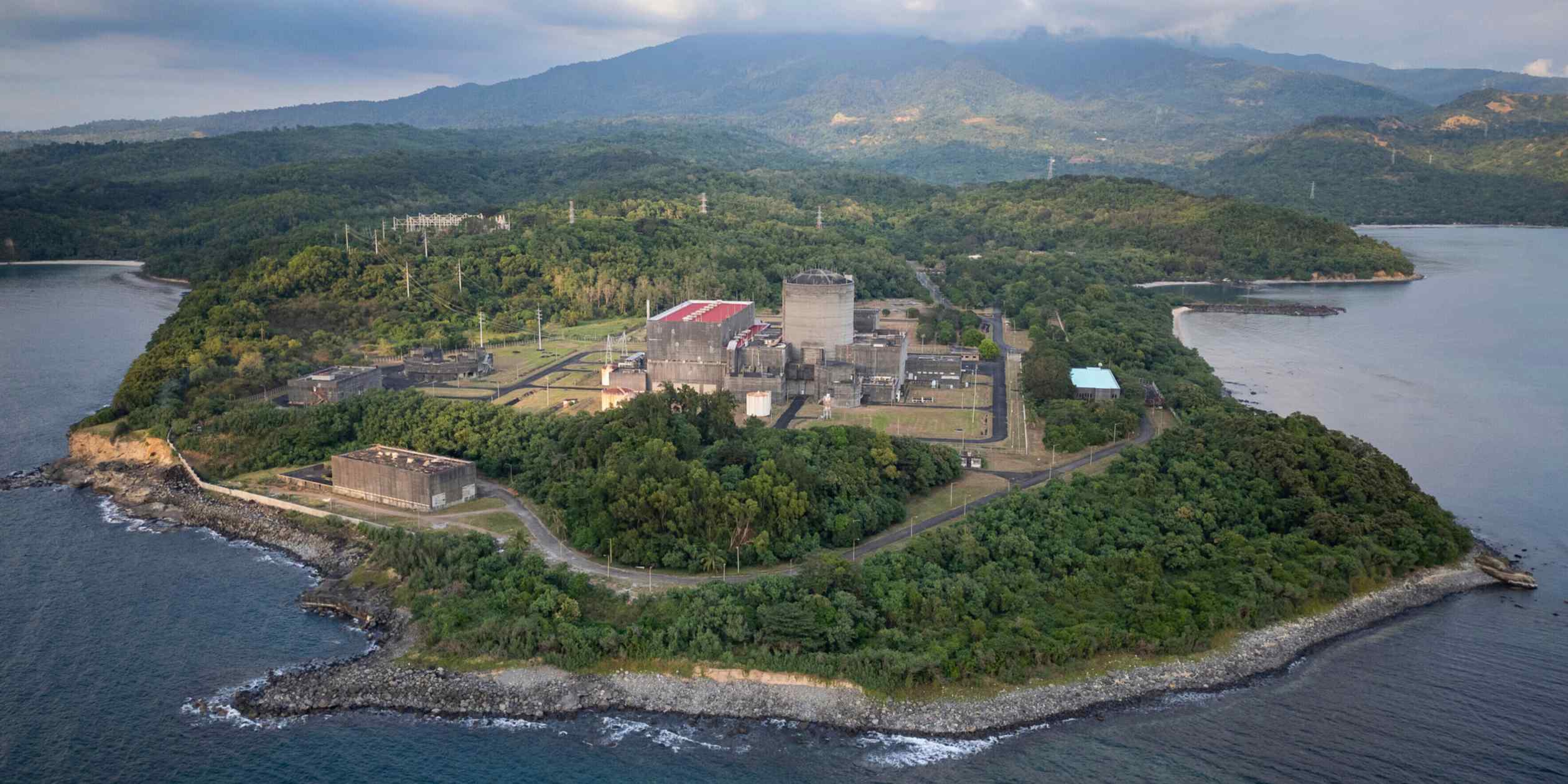
Southeast Asian nations are at a critical juncture regarding nuclear energy adoption, as the region grapples with balancing rapid economic growth against environmental concerns. With electricity consumption projected to surge over the coming decades, energy analysts increasingly view nuclear power as an essential component of the region's future power mix, alongside renewables.
Currently, only Vietnam operates a commercial nuclear reactor, though construction has stalled amid safety reviews and cost concerns. However, other nations including Indonesia, Thailand, and the Philippines have expressed interest in nuclear development, recognizing its potential to provide stable baseload power while reducing carbon emissions.
Experts contend that Southeast Asian governments must begin establishing robust regulatory frameworks, technical expertise, and safety protocols well in advance of any reactor deployment. Without immediate action on capacity-building and governance structures, the region risks falling behind its energy security targets and missing opportunities to address climate commitments.
The transition to nuclear power faces substantial hurdles, including public perception, financing challenges, and the absence of regional experience in plant operations and waste management. Nevertheless, proponents argue that failure to pursue nuclear development could force greater reliance on fossil fuels, undermining regional and global climate goals.