Culture & Entertainment · Singapore Bureau
Southeast Asians channel haze frustration into creative activism and community solutions
As transboundary air pollution from Indonesian fires continues to plague the region, Southeast Asian communities are transforming their anger into artistic expression, grassroots campaigns and practical interventions. From social media movements to tangible infrastructure projects, residents are taking matters into their own hands.
LSN Singapore ·
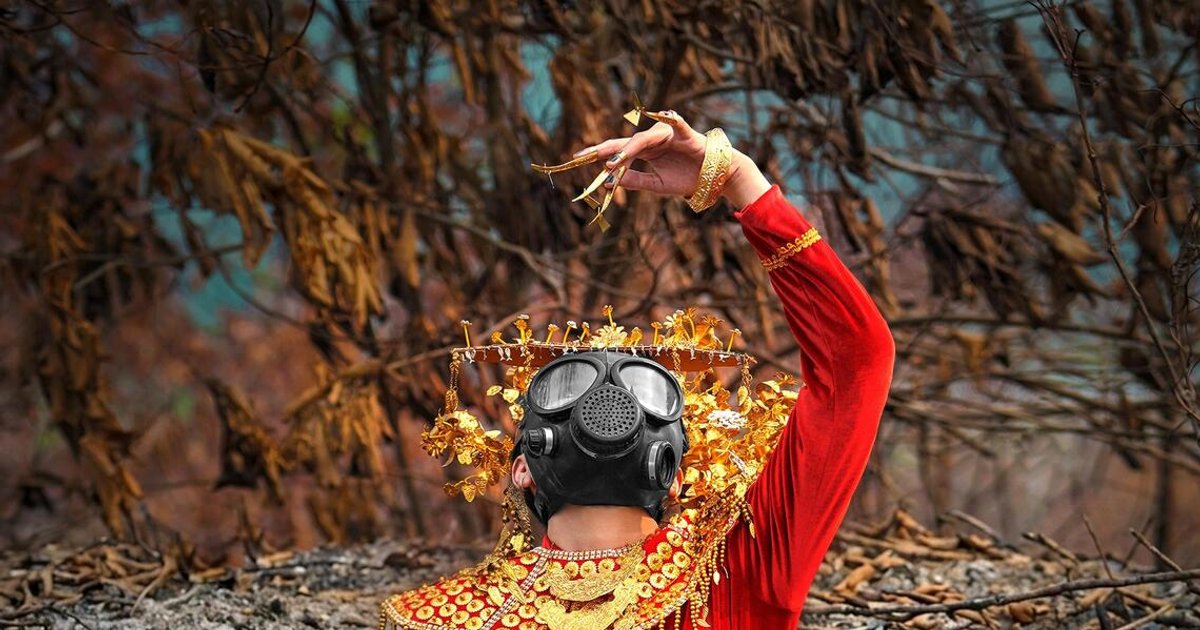
The persistent haze blanketing Southeast Asia has sparked an unprecedented wave of public activism, with residents channelling their frustration into diverse forms of creative resistance and community-driven initiatives. What began as expressions of exasperation on social media has evolved into concrete action, reflecting deeper concerns about air quality, environmental accountability and regional cooperation.
Across the region, digital platforms have become staging grounds for haze-related activism. Memes and satirical content circulating online have given voice to public discontent, while artists have leveraged their platforms to raise awareness about the transboundary nature of air pollution. These creative expressions serve both as cathartic outlets and as mechanisms for mobilising public opinion, keeping the issue at the forefront of regional consciousness.
Beyond digital activism, communities have begun constructing tangible solutions to protect themselves from hazardous air quality. Clean-air shelters and community projects focused on air filtration have emerged in several locations, representing a shift from passive acceptance to active mitigation. These grassroots efforts underscore the urgency residents feel and their determination to safeguard public health when government interventions remain inadequate.
The groundswell of activism reflects broader frustration over the recurring nature of transboundary haze and the slow pace of inter-governmental action to address Indonesia's forest fires. As air quality remains a persistent challenge during burning seasons, Southeast Asian communities are increasingly recognising that meaningful change may require sustained pressure from below, complementing—and at times substituting for—official diplomatic channels and environmental policies.