World · India Bureau
Southeast Direction Recommended for Kalash Placement During Auspicious Window
Vastu experts suggest placing ritual vessels in the southeast direction during tomorrow morning's three-hour-53-minute auspicious period. The orientation aligns with Hindu cosmological principles associated with divine energy and strength.
LSN India ·
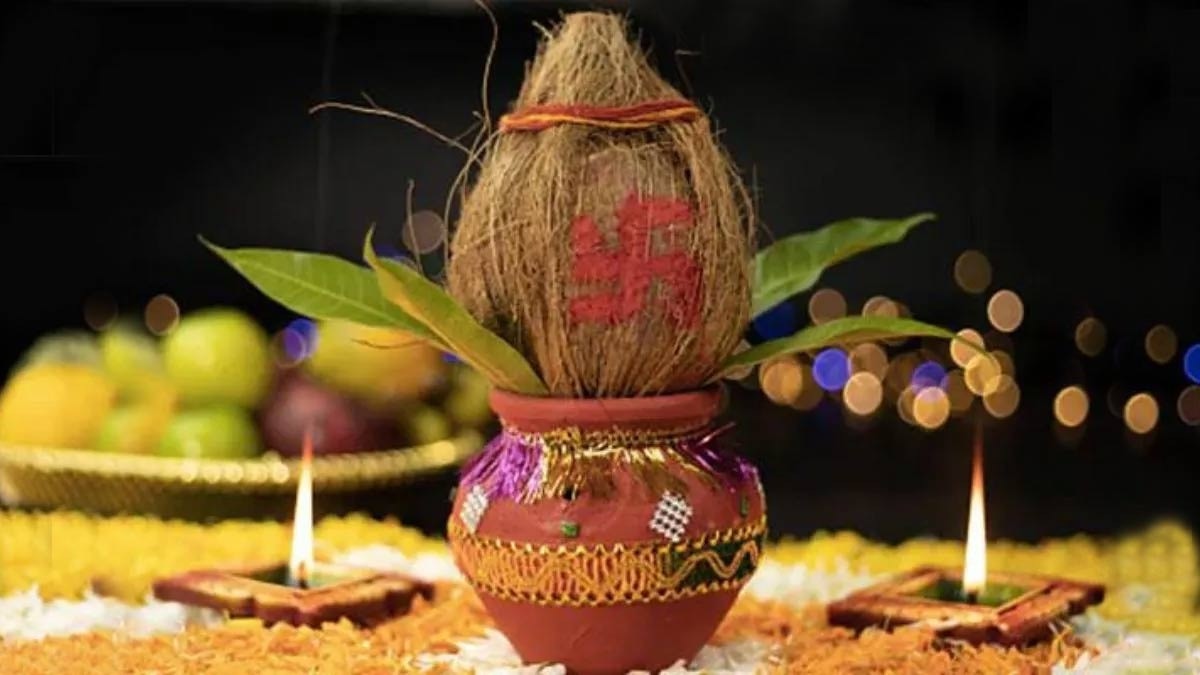
Hindu vastu shastra identifies the southeast direction as the domain of Agni, the fire element, symbolizing power, energy, enthusiasm and vitality in spiritual practice. Religious scholars note that this directional alignment carries particular significance for devotional activities seeking to harness transformative energies.
According to traditional vastu principles, the southeast quadrant's association with divine force makes it an appropriate orientation for ritual observances. The placement of kalash—sacred vessels used in Hindu ceremonies—in this direction is believed to amplify the spiritual efficacy of worship and invoke blessings related to strength and prosperity.
Devi Durga, the principal deity invoked during many Hindu festivals, embodies shakti—divine feminine power—and is intimately connected with concepts of valor and cosmic force. Vastu practitioners recommend the southeast direction as particularly conducive for ceremonies honoring this form of divinity.
The prescribed auspicious window tomorrow morning spans three hours and 53 minutes, during which devotees are encouraged to perform kalash installation ceremonies. This alignment of astronomical and astrological factors is considered optimal for ritual activities seeking divine blessings and spiritual advancement.