Politics · India Bureau
SP's Dalit-OBC alliance faces fresh test over Ambedkar vows row
A controversy surrounding activist Rajkumar Bhati's recitation of B.R. Ambedkar's vows at a Delhi event has exposed tensions within the Samajwadi Party's attempt to unite Dalit and OBC constituencies. The incident underscores the challenges facing the party's revival of Lohiate political strategy.
LSN India ·
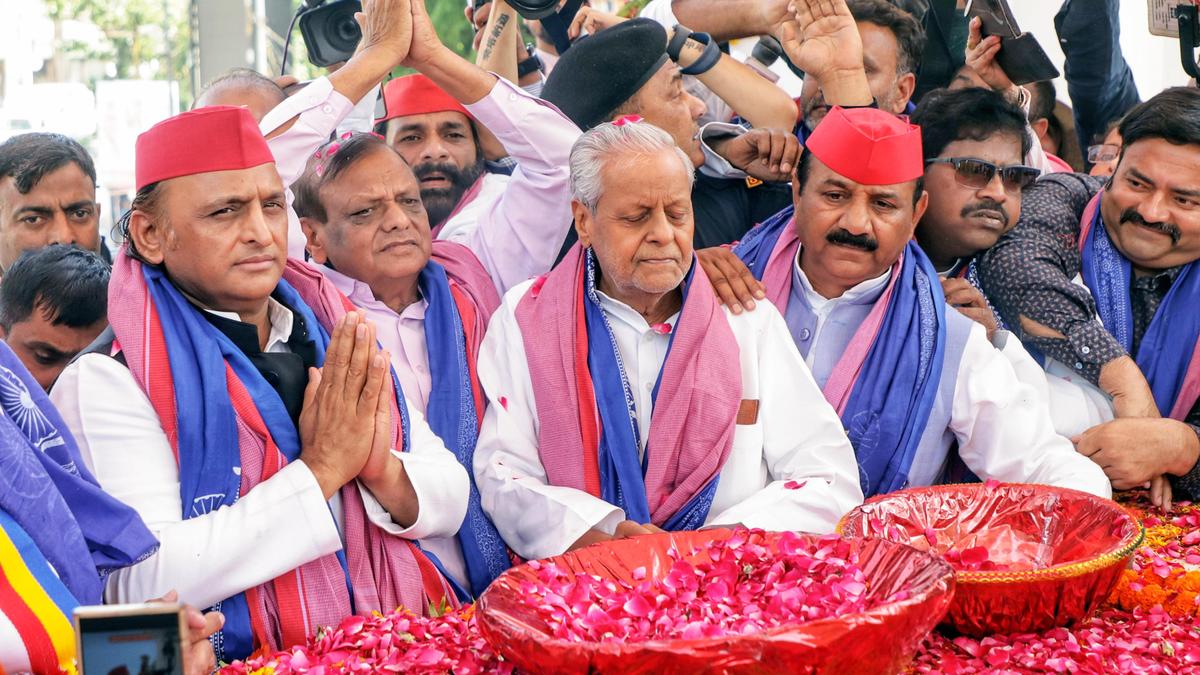
A public event in Delhi has brought into sharp focus the fragile coalition dynamics within the Samajwadi Party's political mobilization efforts. The row erupted over activist Rajkumar Bhati's recitation of B.R. Ambedkar's constitutional vows, an action that revealed deep-seated sensitivities within the party's base regarding Dalit representation and agency.
The Samajwadi Party has long pursued what observers describe as a Lohiate approach to electoral politics—a strategy of numerical aggregation that seeks to bind together OBC and Dalit constituencies under a single political umbrella. Named after socialist ideologue Ram Manohar Lohia, this framework has historically emphasized the combined political weight of backward castes and marginalized groups.
However, the Delhi incident suggests this coalition model faces persistent structural vulnerabilities. The controversy over who holds authority to invoke Ambedkar's legacy—and under what circumstances—reflects unresolved questions about representation and decision-making within the alliance. Different constituencies within the broader coalition appear to harbor competing visions about how Dalit politics should be articulated and whose voices should lead such articulations.
Political analysts view the episode as emblematic of larger challenges confronting the SP's bid to revive and strengthen its Lohiate-inspired political strategy. While numerical aggregation may appear sound in theory, translating it into functional political practice requires navigating complex questions of respect, autonomy, and representation among constituent groups.