World · World News Bureau
Space exploration reaches 746 people from 52 nations globally
More than three-quarters of a century after the first human spaceflight, space travel has expanded beyond elite astronauts to include private citizens and tourists. The milestone reflects how accessibility to space has broadened across multiple continents and economic backgrounds.
LSN World News ·
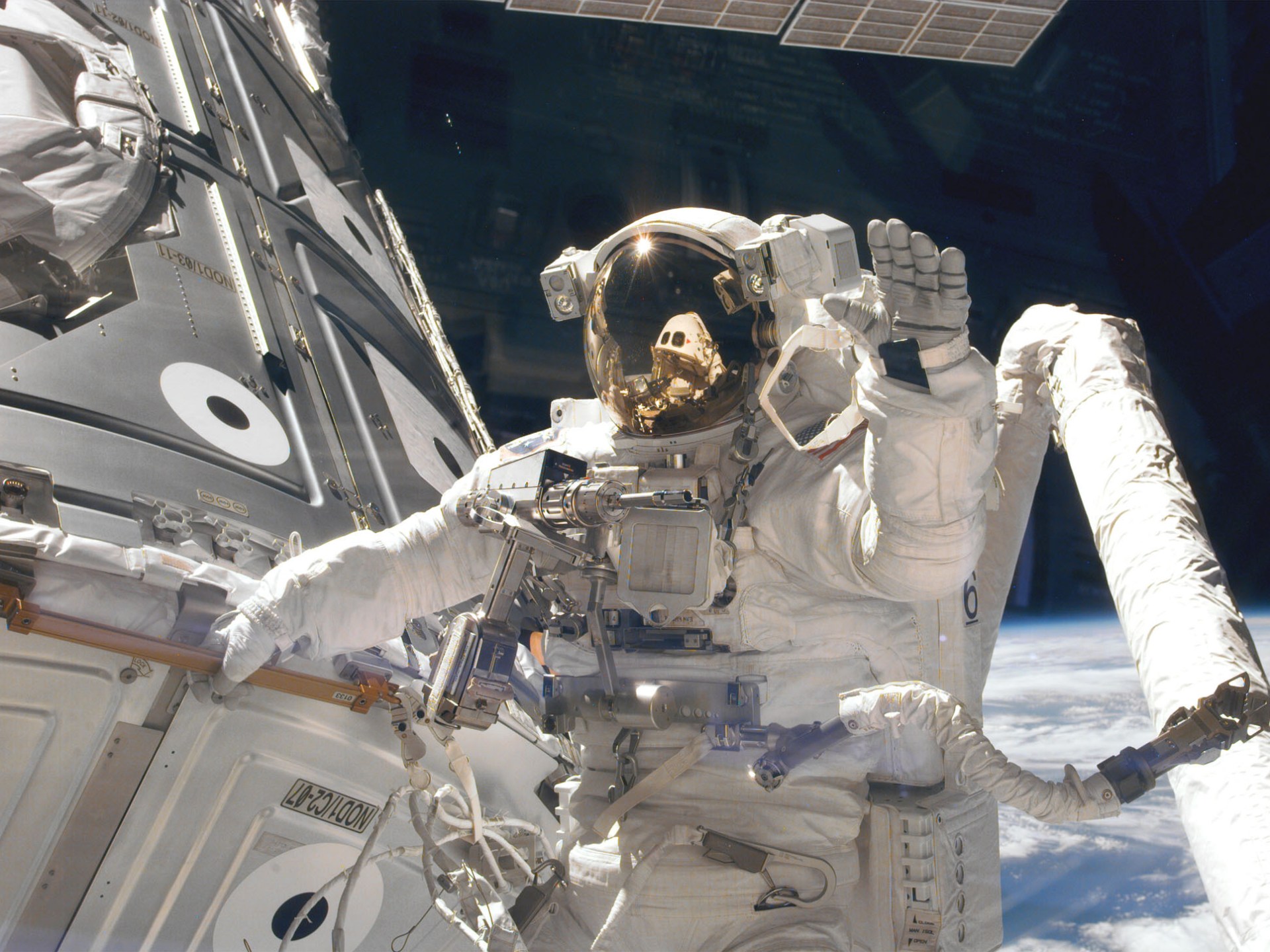
Humanity's venture into space has evolved dramatically since the earliest missions, with at least 746 individuals from 52 countries now having experienced spaceflight. The cohort ranges from professional astronauts and cosmonauts trained by government space agencies to private citizens who have purchased seats aboard commercial spacecraft.
The expansion reflects a fundamental shift in space exploration over recent decades. While early space programs were limited to superpowers with substantial resources and expertise, an increasing number of nations have developed spaceflight capabilities or partnered with international programs. Simultaneously, the emergence of commercial spaceflight companies has opened opportunities for paying tourists to reach the edge of space.
This diversification underscores the democratization of space access, though significant barriers to participation remain. Commercial spaceflight remains prohibitively expensive for most individuals, and government-sponsored programs continue to maintain rigorous selection and training requirements. Nevertheless, the growth in the number of countries represented among spacefarers demonstrates the widening geographic distribution of space expertise and ambition across the globe.