Culture & Entertainment · India Bureau
Space-grown seeds show promise for Mars missions despite slower growth
A landmark experiment involving seeds carried to the International Space Station has revealed that microgravity slows plant growth and aging, yet the seeds remain viable for future space exploration missions. The findings could inform plans to grow food on Mars and other long-duration space missions.
LSN India ·
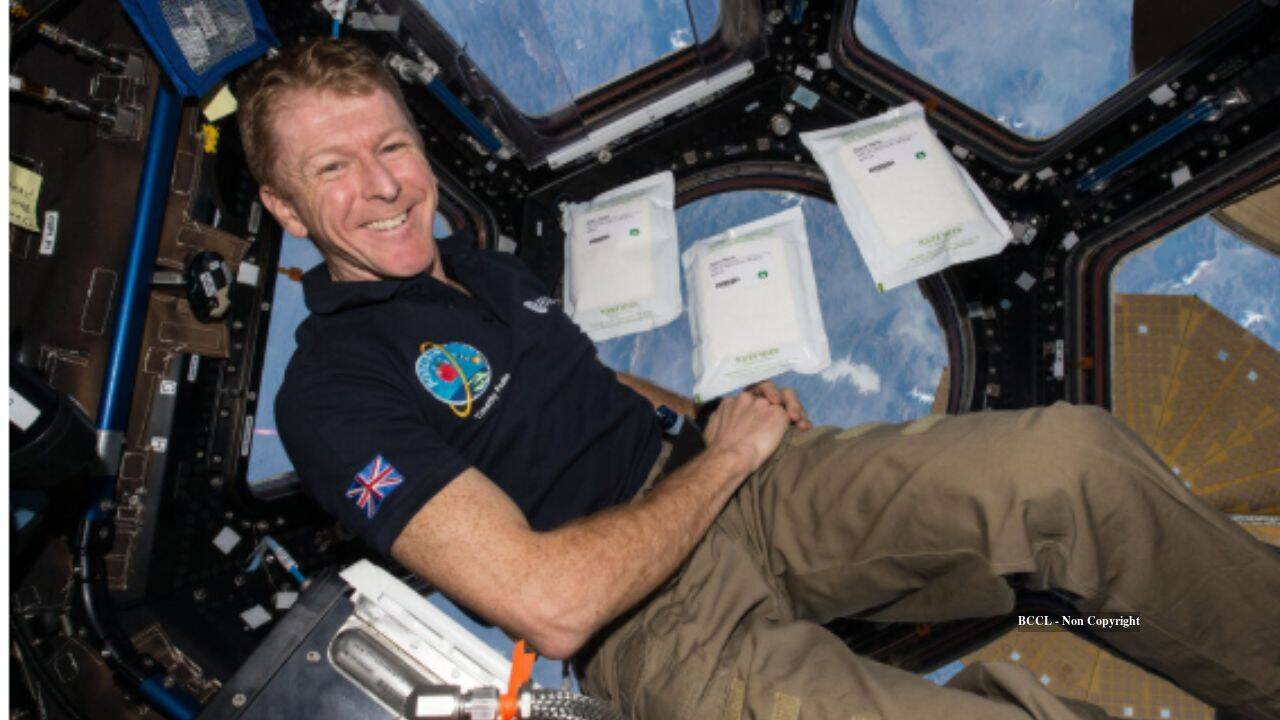
In 2015, European Space Agency astronaut Tim Peake transported seeds to the International Space Station as part of a pioneering research initiative examining how plants respond to microgravity. The experiment, which combined professional research with public participation, represented a significant step toward understanding plant cultivation in space environments.
Upon Peake's return to Earth, the project expanded into a massive citizen science endeavor involving approximately 8,600 schools across the United Kingdom. Students and researchers analyzed the seeds that had orbited the station, comparing their characteristics with control samples grown on Earth. The collaborative analysis generated valuable data on how space conditions affect plant development.
The research outcomes demonstrated that exposure to microgravity influenced both the growth rate and aging process of the seeds. Growth was notably slower in the space-exposed specimens compared to their Earth-based counterparts. However, the crucial finding was that the seeds retained their viability despite these changes, suggesting they could potentially germinate and develop under proper conditions.
These results carry significant implications for long-term space exploration initiatives. As space agencies plan missions to Mars and establish sustained human presence beyond Earth, the ability to cultivate food crops will be essential. The findings suggest that while growth rates may be reduced in microgravity environments, plants can still serve as a viable food source for astronauts during extended missions and eventual settlement efforts.