Sport · India Bureau
Space-raised cricket larvae mature faster than Earth counterparts, study shows
A groundbreaking experiment conducted on the International Space Station has revealed that cricket embryos develop and hatch more rapidly under microgravity conditions compared to those on Earth. The findings provide new insights into how developmental processes adapt to reduced gravitational environments.
LSN India ·
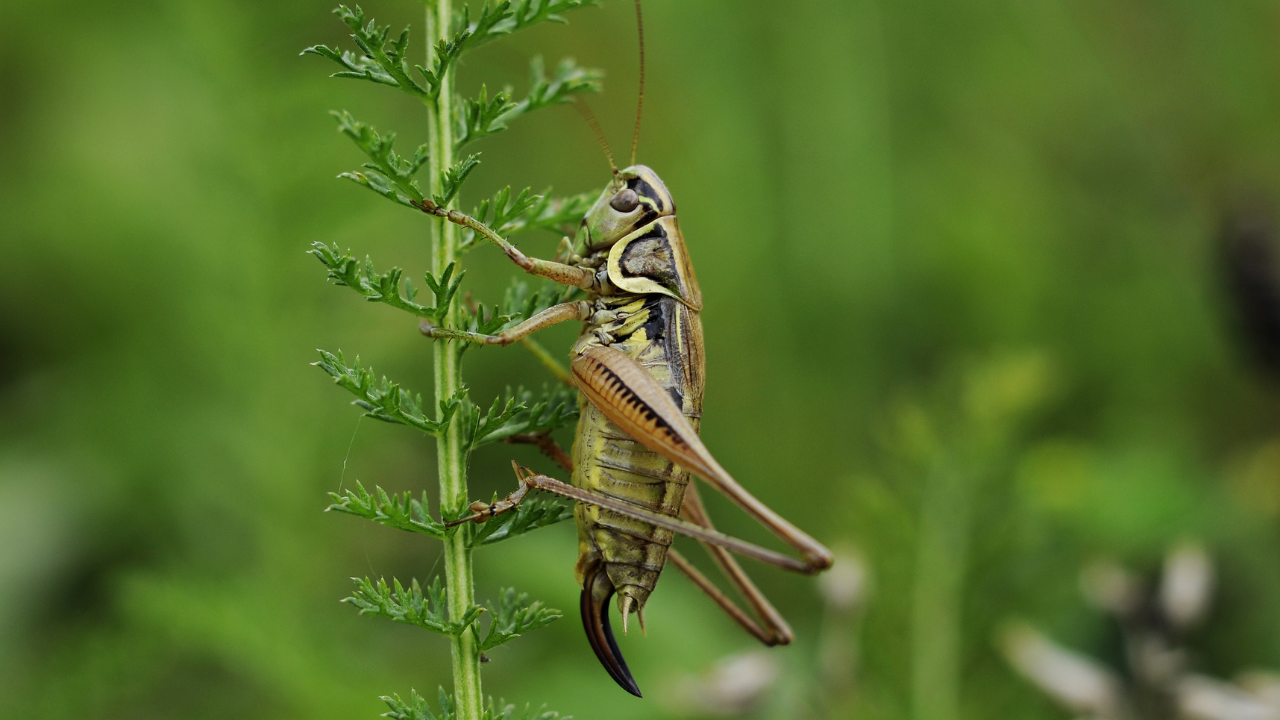
Scientists who examined cricket reproduction aboard the International Space Station in 2005 have documented a significant difference in developmental timelines between space-exposed and ground-based specimens. Larvae that gestated under microgravity conditions hatched noticeably earlier than their Earth-bound counterparts, marking a notable discovery in astrobiology research.
The experiment tracked embryonic growth in the unique environment of the ISS, where the absence of gravitational force creates conditions fundamentally different from terrestrial laboratories. Despite the accelerated hatching timeline, researchers observed that critical neural structures in the space-reared larvae remained intact and properly formed, suggesting that microgravity influences developmental speed without compromising essential biological architecture.
The research holds significant implications for understanding how living organisms respond to altered gravitational environments. As space exploration expands and long-duration missions become more common, comprehending these developmental adaptations becomes increasingly important for assessing the viability of life beyond Earth.
These findings contribute to a growing body of knowledge about how gravity influences biological processes at the cellular and organismal levels. The discovery may have applications ranging from fundamental developmental biology to the practical considerations of sustaining life during extended space missions, researchers indicate.