Politics · World News Bureau
Spain's Sánchez banks on housing crisis to sway voters in snap election
Spanish Prime Minister Pedro Sánchez has strategically timed a snap election to capitalise on public concern over the country's acute housing affordability crisis. The election call reflects a calculated political move rather than a hasty response to immediate circumstances.
LSN World News ·
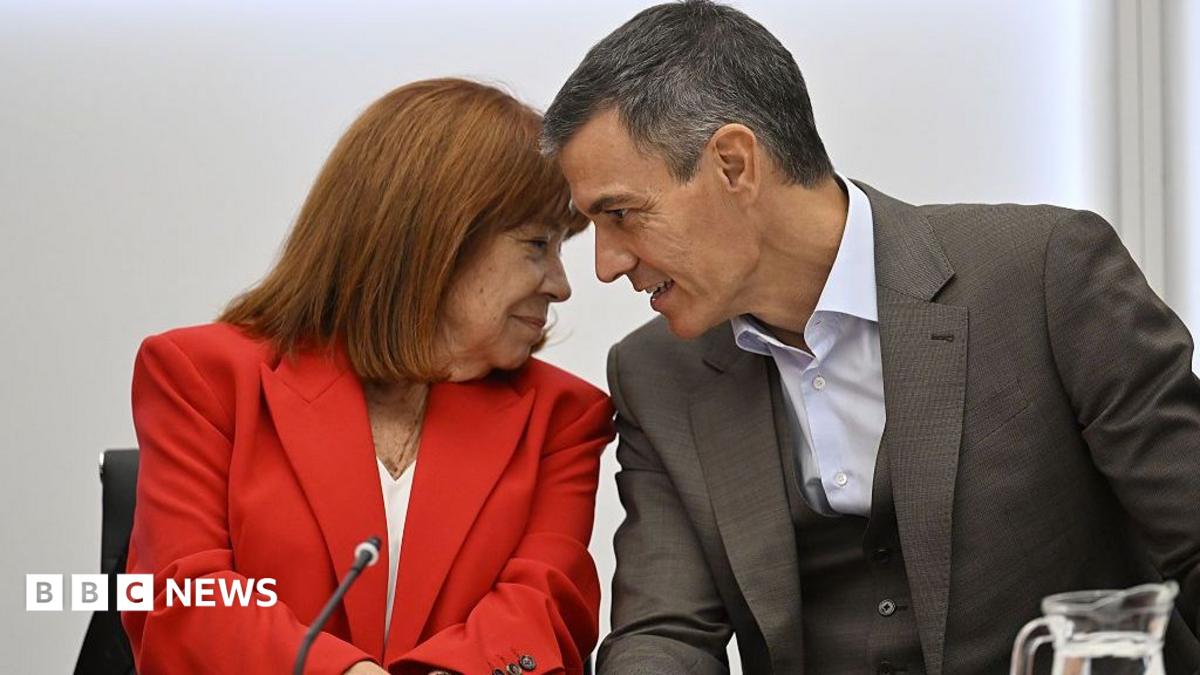
Prime Minister Pedro Sánchez's decision to call a snap election represents a deliberate strategy to frame the political narrative around issues that resonate with Spanish voters, particularly the escalating housing crisis that has gripped the nation. By bringing forward the electoral calendar, Sánchez seeks to control the timing and messaging around his government's record and policy priorities.
The housing crisis has emerged as a defining political issue in Spain, with soaring property prices and rental costs pushing homeownership further out of reach for millions of citizens, especially younger generations. The government has positioned itself as committed to addressing these concerns through legislative initiatives and policy proposals aimed at increasing affordable housing supply and regulating rental markets.
By anchoring the election campaign around housing and related social concerns, Sánchez hopes to mobilise voters who prioritise quality-of-life issues over other political divisions. The timing of the snap election allows the Socialist leader to present his government as proactive in confronting the challenges facing ordinary Spaniards.
Analysts view the election call as a calculated political manoeuvre rather than a reactive measure, indicating Sánchez's confidence that the chosen moment offers his coalition the most favourable conditions for electoral success. The strategy reflects an understanding that Spanish voters' immediate concerns—particularly housing affordability—could influence voting patterns in ways advantageous to the incumbent government.