Culture & Entertainment · India Bureau
Spanish cave yields 280 Palaeolithic engravings after 60 years
Archaeologists have identified nearly 300 Ice Age artworks at a Spanish cave site, fundamentally reshaping understanding of prehistoric artistic expression in northeastern Iberia. The discovery challenges long-held assumptions about the distribution and diversity of Palaeolithic cave art across Europe.
LSN India ·
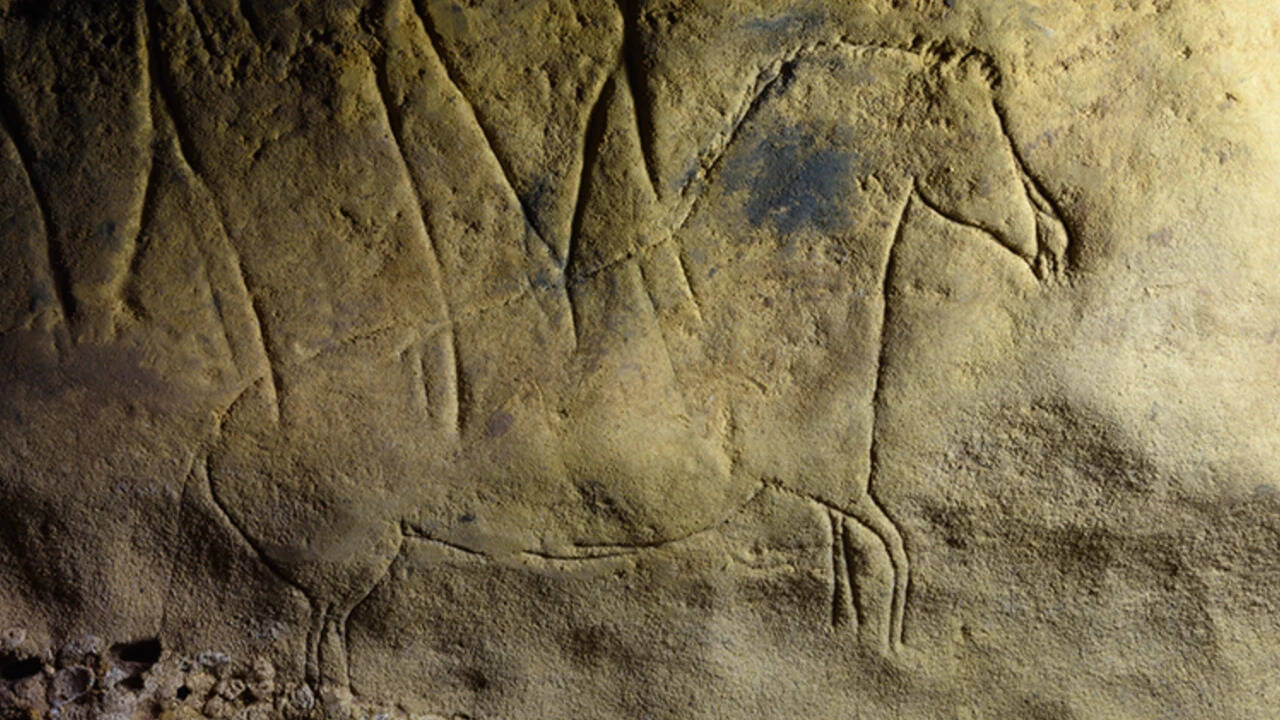
A comprehensive study of Cova de la Font Major in Spain has uncovered 280 previously unrecognized Palaeolithic engravings, marking a significant breakthrough in European prehistoric archaeology. The motifs include detailed depictions of animals alongside geometric patterns, revealing a sophisticated artistic tradition that flourished during the Ice Age.
The findings represent a dramatic revision of archaeological knowledge about the region. Prior to this analysis, experts believed northeastern Iberia contained only two known examples of Palaeolithic cave art, suggesting the area had minimal artistic development compared to other parts of Europe. The discovery of nearly 300 new artworks at a single site effectively overturns this assessment.
The engravings indicate that distinct artistic traditions emerged independently across Ice Age Europe, operating separately from the celebrated Franco-Cantabrian artistic sphere that dominated much of the continent's southwestern regions. The diverse range of motifs and techniques evident at Cova de la Font Major points to unique cultural practices and aesthetic values among local prehistoric communities.
Archaeologists note that the site, which has welcomed visitors for over six decades, likely harbored these artistic treasures throughout that entire period. The delayed recognition of the engravings highlights how detailed examination and modern analytical techniques continue to unlock secrets embedded in ancient spaces, offering scholars fresh perspectives on how early humans expressed creativity and cultural identity.