World · India Bureau
Spanish discovery reshapes understanding of Diplodocus dinosaur range
Paleontologists have uncovered the first confirmed Diplodocus fossils outside North America in northeastern Spain, challenging prevailing assumptions about the distribution of the long-necked sauropod during the Late Jurassic period.
LSN India ·
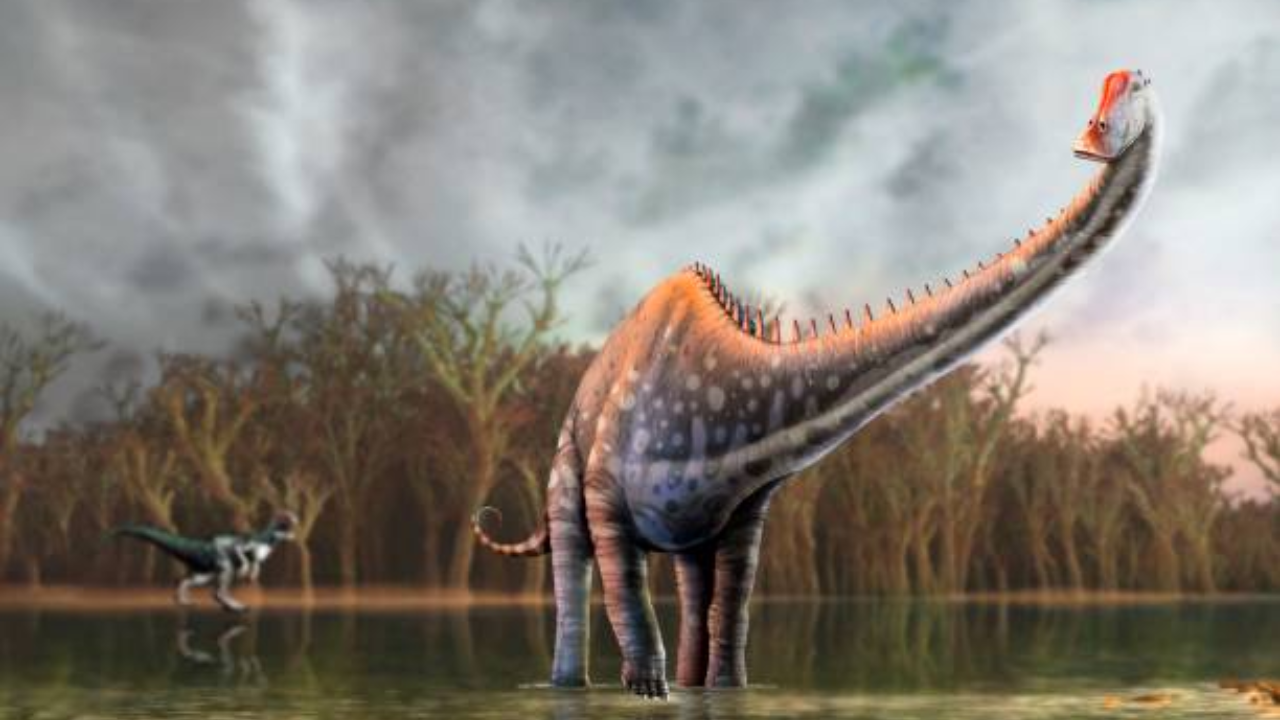
Researchers working in Teruel, Spain have identified fourteen tail vertebrae belonging to Diplodocus, marking a significant shift in scientific understanding of where these massive dinosaurs roamed some 150 million years ago. The discovery represents the first confirmed evidence of the iconic sauropod genus existing anywhere beyond North America, where nearly all previously known Diplodocus remains have been located.
The find carries important implications for understanding dinosaur migration patterns and continental connections during the Late Jurassic era. Scientists suggest that fluctuating sea levels during this period may have created temporary land bridges or exposed continental shelves that allowed large terrestrial animals to traverse between what are now separate continents. Such paleoenvironmental shifts could have facilitated the movement of Diplodocus populations across vast distances.
The Spanish specimens provide fresh data for paleontologists studying sauropod distribution, evolution, and behavior across different geographic regions. The vertebrae recovered from the Teruel site will undergo further analysis to determine whether the Spanish population differed significantly from its North American counterparts, potentially revealing how isolated populations adapted to different environmental conditions over time.
This discovery underscores the dynamic nature of prehistoric ecosystems and highlights the value of continued paleontological fieldwork in regions previously thought to lack evidence of certain dinosaur species. The findings add nuance to existing models of Late Jurassic fauna and suggest that conventional boundaries of dinosaur habitats may require reassessment in light of new evidence.