Politics · World News Bureau
Spanish PM banking on housing crisis momentum for election victory
Prime Minister Pedro Sánchez's decision to call a snap election in Spain was a calculated strategic move rather than an impulsive reaction, aimed at capitalizing on recent policy wins that have resonated with voters.
LSN World News ·
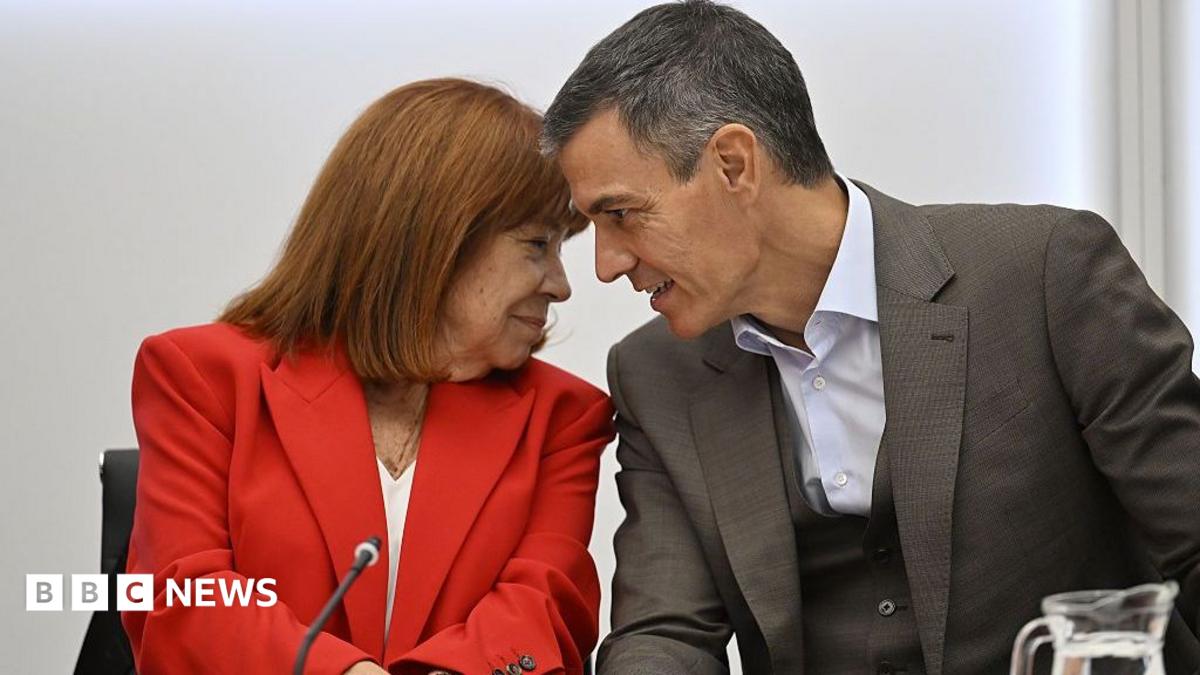
Spain's Socialist prime minister has positioned the affordable housing crisis as a central plank of his electoral strategy, hoping that recent government action on the issue will bolster his party's chances in the upcoming snap election. The decision to dissolve parliament and call early elections was not a reactive measure but a carefully calibrated political maneuver designed to capitalize on what Sánchez's government views as momentum on a key issue affecting millions of Spaniards struggling with soaring rental costs and property prices.
The housing crisis has emerged as one of the most pressing concerns for Spanish voters, particularly among younger demographics facing unprecedented affordability challenges. By calling an election at this moment, Sánchez appears to be betting that his government's recent initiatives on housing will resonate strongly enough to secure victory and a renewed mandate for his Socialist Party.
The timing of the election call reflects a broader political calculation about when conditions are most favorable for the governing party. Rather than waiting for the opposition to build momentum or for external events to shift the political landscape, Sánchez chose to take the initiative and shape the electoral calendar to suit his government's strengths.
Analysts note that snap elections in Spain carry significant political risk, and Sánchez's decision suggests confidence that his party's positioning on the housing issue—coupled with other policy achievements—provides sufficient electoral advantage to justify calling voters to the polls ahead of the scheduled election date.