World · India Bureau
Special Durga Aarti During Navratri Believed to Bring Prosperity and Remove Hardship
Devotees across India observe special rituals and aarti ceremonies dedicated to Goddess Durga during the nine-day Navratri festival. The practice of performing aarti during this period is considered spiritually significant and believed to bring well-being and resolve life's challenges.
LSN India ·
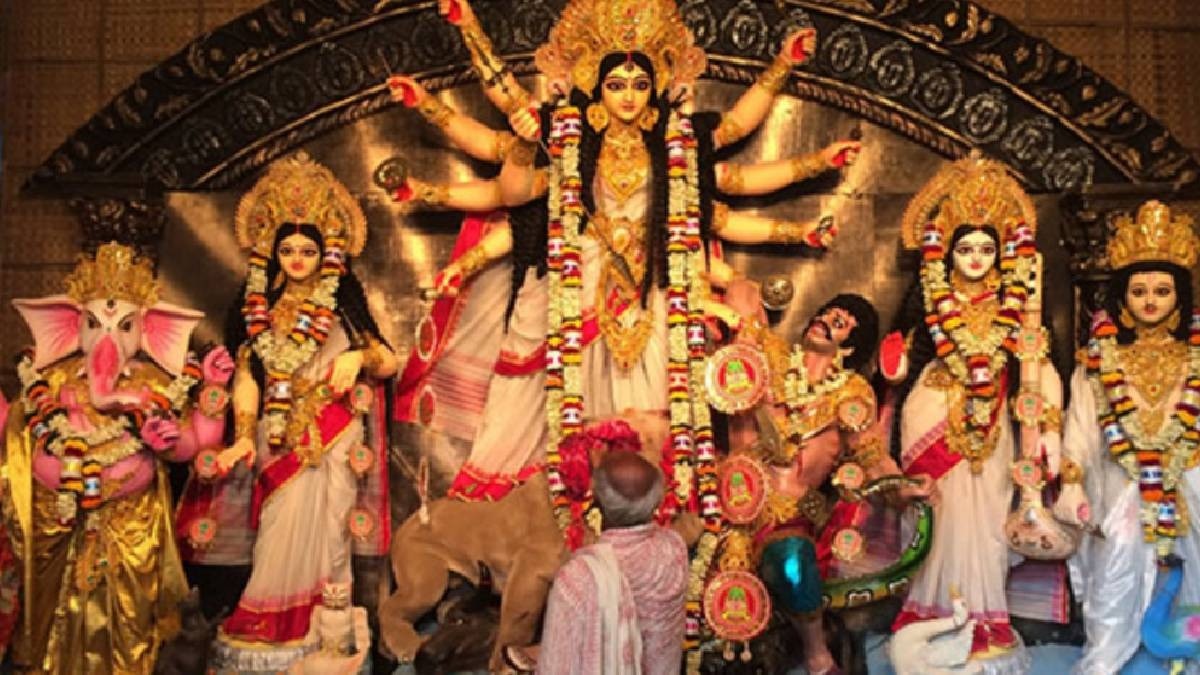
The commencement of Sharadiya Navratri, the autumn celebration of the Hindu festival, marks the beginning of special veneration for Goddess Durga through daily aarti rituals. Over the nine days of the festival, worshippers engage in prayers and ritualistic offerings to various manifestations of the deity, each representing different divine qualities and powers.
The aarti ceremony, a central practice in Hindu worship, involves the ritualistic waving of lamps before the deity as an offering. During Navratri, this practice holds particular significance in Hindu tradition and is widely performed across homes and temples throughout India.
According to traditional beliefs, the performance of aarti during the Navratri period is said to bring prosperity and harmony to households. Devotees believe that regular observance of these rituals helps overcome adversities and difficulties in life, contributing to overall spiritual well-being and material comfort.
The nine-day festival witnesses millions of adherents engaging in various forms of worship, from elaborate temple ceremonies to household rituals. The emphasis on daily aarti practices reflects the deep spiritual significance Navratri holds in Hindu culture and the continued importance of these observances in contemporary religious life across the region.