World · India Bureau
Spider Stomach Contents Offer Window Into Local Ecosystem Health
Scientists are using spiders as biological indicators to map insect and animal populations in their habitats. By analyzing what spiders consume, researchers can gain valuable insights into the biodiversity and ecological conditions of specific regions.
LSN India ·
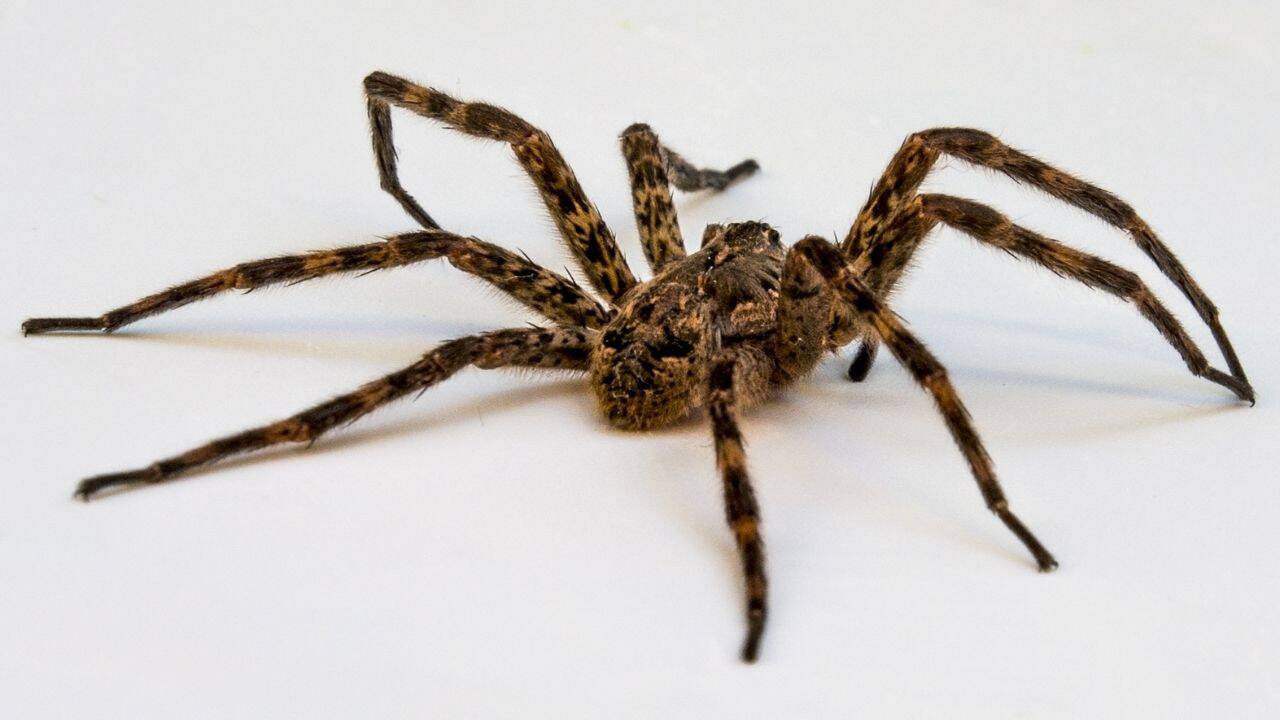
Spiders, often overlooked in ecological studies, are emerging as unexpected allies in understanding local wildlife populations and ecosystem dynamics. By examining the stomach contents of these eight-legged predators, researchers can identify which insects and animals inhabit particular areas without relying on traditional observation methods.
The approach offers several advantages for biodiversity assessment. Spiders are voracious hunters that consume a wide variety of prey species, making their dietary records a comprehensive snapshot of the surrounding fauna. This natural sampling method requires minimal intervention and can cover areas that might be difficult for researchers to access or monitor directly.
The technique proves particularly valuable in regions where traditional species surveys are challenging due to terrain, climate, or accessibility constraints. By collecting spiders from an area and analyzing their prey remains, scientists can compile detailed inventories of local insect populations and other small animals that form the base of food chains.
This non-invasive monitoring approach has implications for conservation planning and environmental management across South and Southeast Asia. As habitat loss and climate change threaten biodiversity in the region, alternative assessment methods that require minimal resource investment become increasingly important for understanding and protecting ecosystems.