Culture & Entertainment · India Bureau
Squid's body-wide sensory hair cells offer clues to hearing evolution
Researchers have identified hundreds of sensory hair cells distributed across squid bodies that enable the creatures to detect minute water movements with remarkable precision. The discovery could shed light on how hearing mechanisms evolved across different species.
LSN India ·
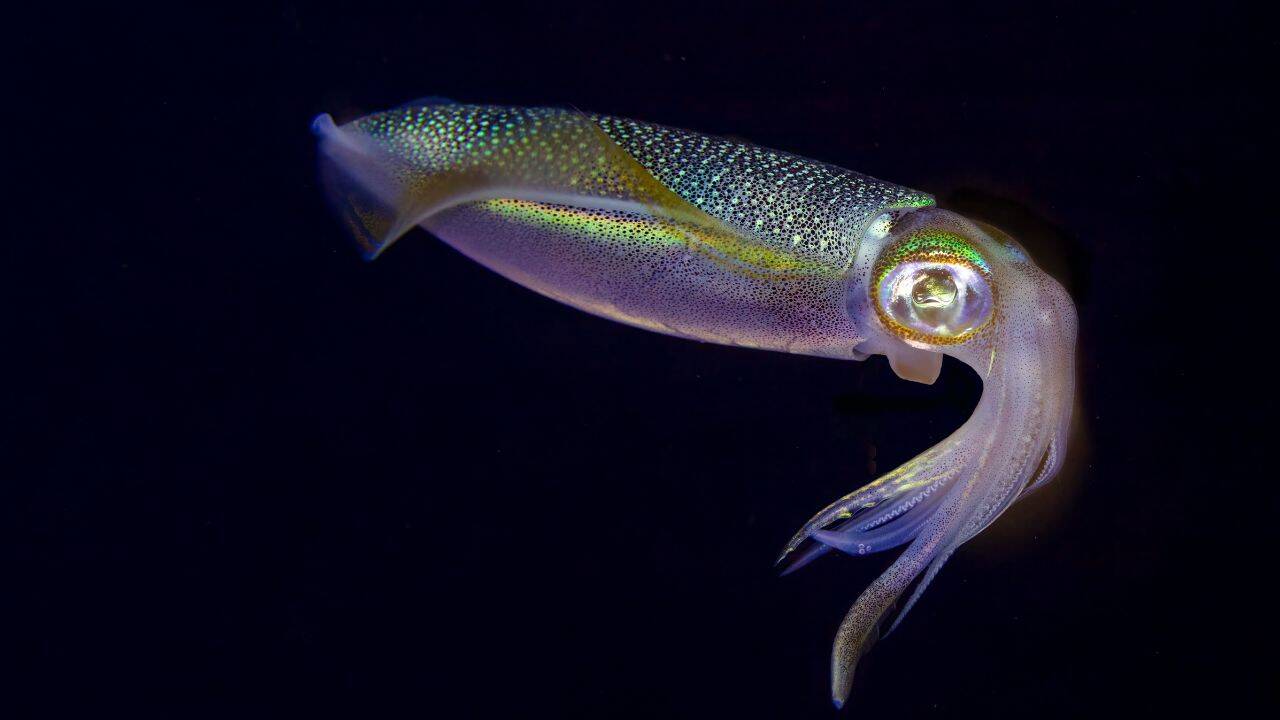
Scientists at Case Western Reserve University have made a significant finding about squid sensory biology, uncovering that these marine creatures possess sensory hair cells throughout their bodies, far beyond what was previously understood. These specialized cells function similarly to those in the human inner ear, allowing squids to perceive and respond to subtle changes in water movement around them.
The research reveals that squids leverage these distributed sensory structures to detect local water motion with extraordinary sensitivity. The cells effectively grant the animals a form of perception comparable to how humans use their auditory systems, enabling them to navigate their underwater environment and respond to external stimuli with precision.
A key aspect of the discovery involves the variation in hair bundle lengths across these sensory cells. This structural diversity allows squids to discriminate between different frequencies of water motion, much as the human ear distinguishes between different sound frequencies. This sophisticated sensing capability represents an adaptation that provides squids with a significant advantage in detecting prey, predators, and navigational cues in the ocean.
The findings expand scientific understanding of sensory evolution and suggest that hearing-like perception mechanisms may have developed independently across different animal lineages. The squid's body-distributed sensory system offers researchers an alternative model for studying how organisms detect and process environmental signals, potentially informing future research into human auditory systems and sensory adaptation.