World · World News Bureau
Sri Lanka convicts 15 over Easter bombings; families seek political answers
A court has sentenced 15 men to lengthy prison terms for their roles in the 2019 Easter Sunday attacks that killed hundreds. Survivors and bereaved families, however, say critical questions about potential political involvement remain unanswered.
LSN World News ·
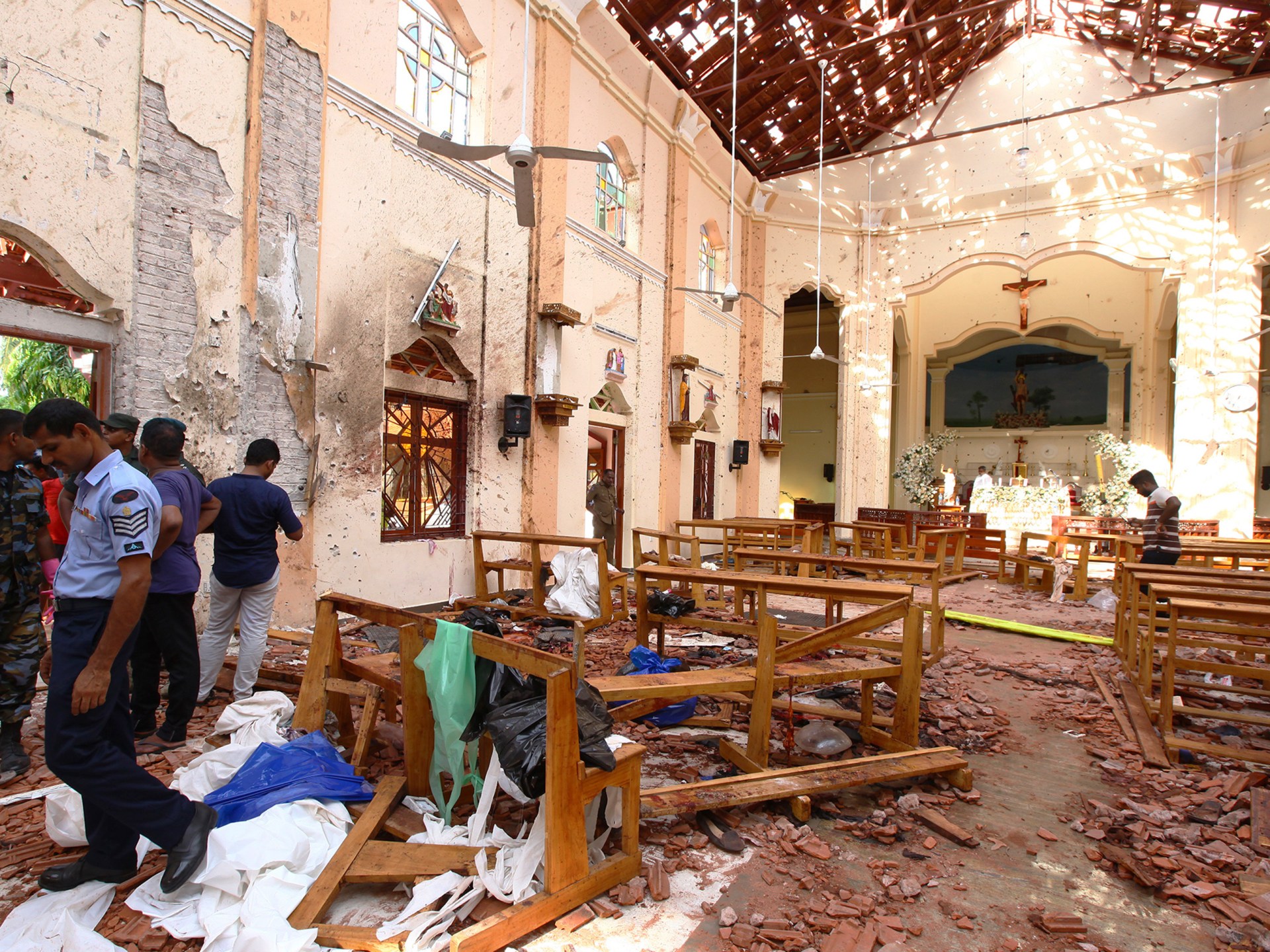
Sri Lankan authorities have convicted 15 individuals in connection with the coordinated bombings that devastated the island nation on Easter Sunday 2019, resulting in more than 250 deaths across churches and hotels. The court handed down substantial prison sentences to those found guilty of involvement in the attacks, marking a significant legal milestone in one of South Asia's deadliest terror incidents.
While the convictions have been welcomed by many as an important step toward accountability, relatives of victims have expressed mixed reactions. Several bereaved families have voiced concerns that the prosecutions have focused narrowly on operational perpetrators while failing to address broader questions about the attacks' planning and potential high-level coordination. A father whose teenage daughter was killed in the bombings stated he remains unsatisfied, calling for a thorough investigation into whether political figures played a role in facilitating or enabling the attackers.
The Easter Sunday bombings were attributed to a local militant group with alleged links to international terrorist organizations. The attacks prompted a major security crackdown and intensified scrutiny of how the assailants evaded detection despite prior intelligence warnings. Civil society groups and rights organizations have called for a comprehensive public inquiry to establish a complete factual record of the events preceding and following the attacks.
While the prison sentences represent judicial action against direct perpetrators, victim advocates have stressed that partial convictions cannot substitute for full transparency regarding the planning and execution of the coordinated strikes.