Politics · Singapore Bureau
Sri Lanka faces opposition to sweeping judicial reform plans
Sri Lanka's government is pushing ahead with contentious judicial reforms aimed at tackling a massive backlog of cases, but the measures have drawn significant public resistance. The authorities argue the overhaul is essential to clear more than 1.1 million pending cases in the court system.
LSN Singapore ·
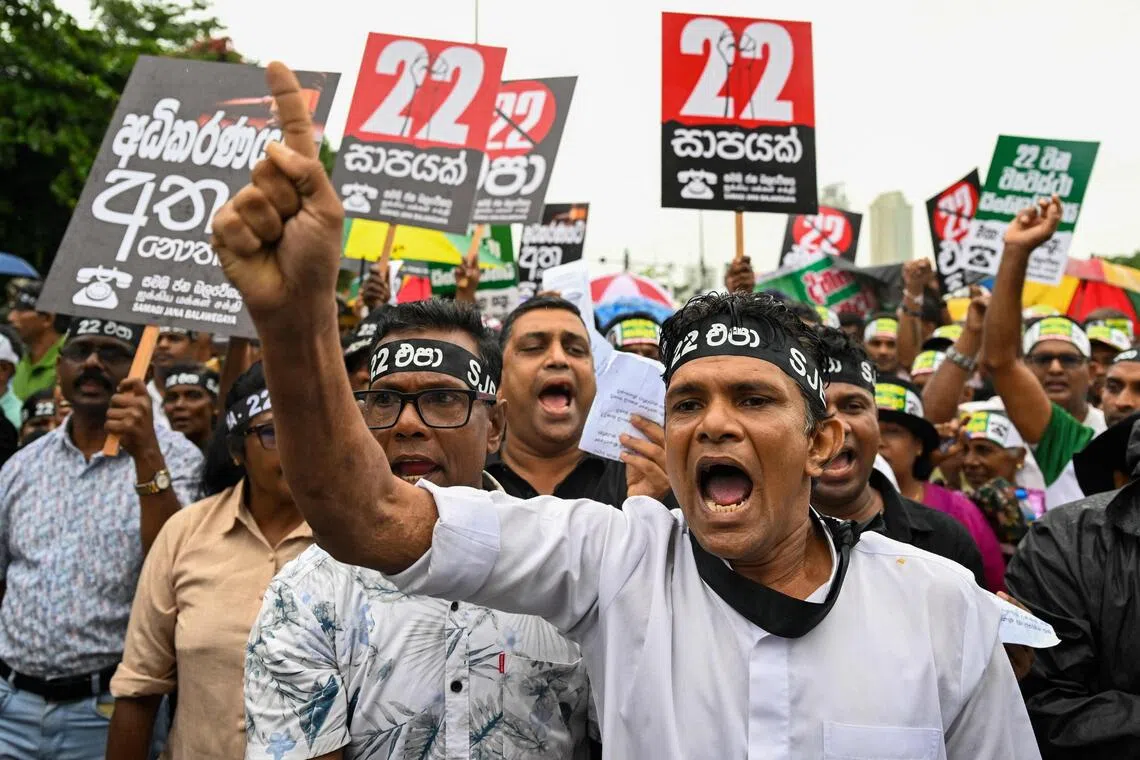
Demonstrators in Sri Lanka have taken to the streets to oppose judicial reforms being pursued by the government, with critics expressing concerns about the proposed changes to the country's legal framework. The protests underscore deepening divisions over how best to address systemic challenges within the judiciary.
Government officials have defended the reforms as a necessary step to tackle what they describe as a critical backlog threatening the efficiency of the legal system. With approximately 1.1 million cases awaiting resolution, policymakers argue that structural changes are required to expedite case processing and reduce delays that have burdened the courts for years.
The proposed reforms have raised questions among legal professionals, civil society groups, and members of the public about potential implications for judicial independence and due process. The debate reflects broader concerns about balancing the need for systemic efficiency with protections for the integrity of the legal system.
As the government moves forward with its judicial agenda, the mounting public opposition suggests the reforms face a challenging political landscape. The coming weeks will likely determine whether authorities can build consensus around the changes or if resistance forces modifications to the initial proposals.