Politics · Sri Lanka Bureau
Sri Lanka faces scrutiny over proposed restrictive legislation despite parliamentary dominance
With commanding parliamentary numbers, Sri Lanka's government faces limited legislative opposition in parliament. However, analysts warn that extra-parliamentary activism could mobilise diverse groups to challenge controversial proposed laws.
LSN Sri Lanka ·
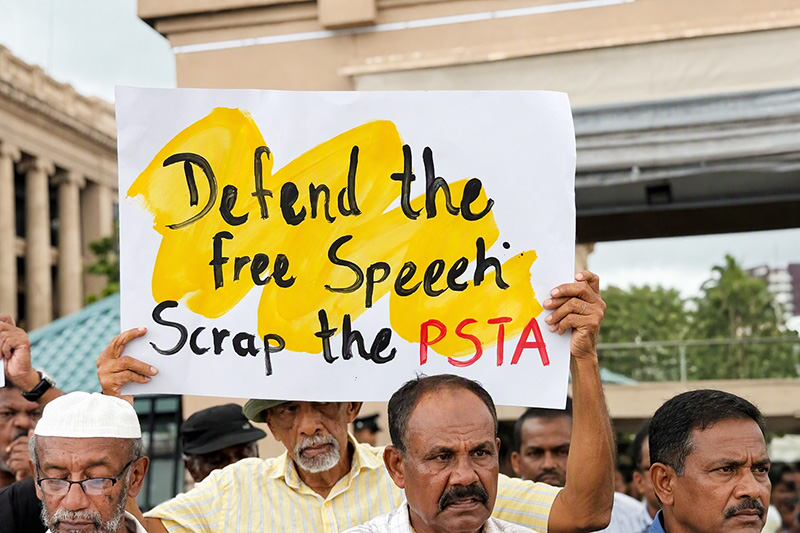
Sri Lanka's ruling coalition commands a two-thirds parliamentary majority, providing substantial legislative firepower to advance its agenda with minimal obstruction from opposition lawmakers. This numerical dominance has enabled the government to move swiftly on several contentious policy initiatives.
Three proposed laws are drawing particular attention from civil society observers, who warn that the legislation could restrict fundamental freedoms. The government's cohesive parliamentary bloc makes traditional legislative challenges through opposition parties largely ineffective as a check on executive power.
However, analysts and rights advocates contend that the government's vulnerability extends beyond the parliamentary chamber. Extra-parliamentary mobilisation—combining political opponents, religious authorities, and concerned citizens—could generate sufficient public pressure to constrain the government's legislative ambitions in ways that parliamentary arithmetic cannot.
Historically, Sri Lanka has witnessed sustained civil society campaigns that shifted policy outcomes despite strong governmental majorities. Religious leaders, particularly from Buddhist, Muslim and Christian communities, retain significant influence over public opinion and could play a pivotal role in shaping the political environment surrounding the proposed legislation.
Observers suggest that the coming weeks will reveal whether coordinated extra-parliamentary resistance can effectively challenge the government's legislative programme, despite its commanding position in parliament.