Politics · Sri Lanka Bureau
Sri Lanka must ground renewable strategy in affordability and skills retention
Policy analysts warn that Sri Lanka's renewable energy transition requires focus on domestic energy costs, local entrepreneurship, and retaining skilled workers to support broader economic transformation.
LSN Sri Lanka ·
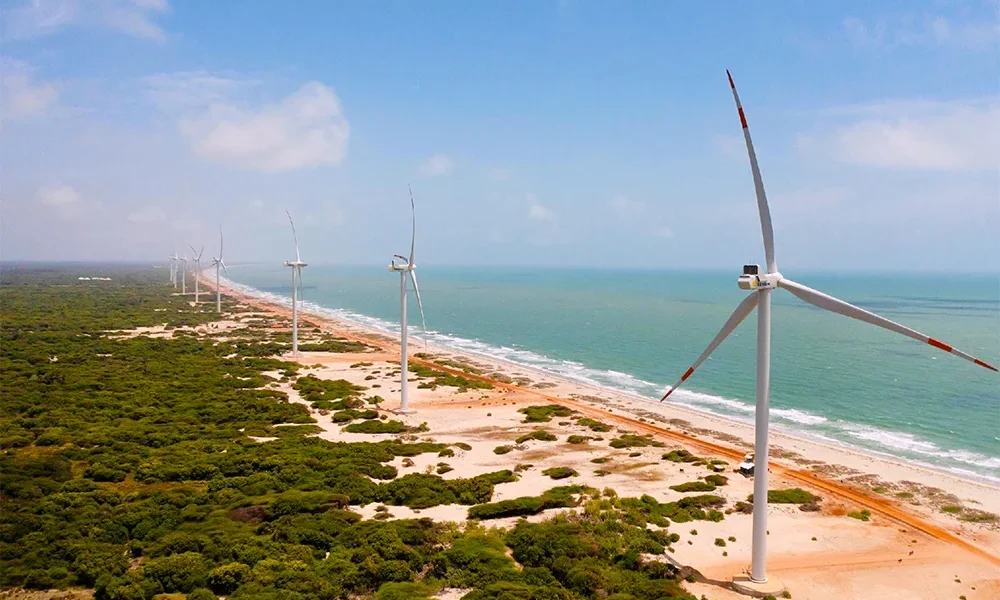
Sri Lanka's approach to renewable energy development must prioritize affordable electricity and domestic capacity-building to support sustainable economic growth, according to policy experts reviewing the country's energy strategy.
The emphasis on transitioning to renewable sources has raised questions about whether current policies adequately address the needs of local businesses and households. Experts argue that energy affordability must form the cornerstone of any renewable strategy, particularly as the nation seeks to attract technology-driven industries and support emerging entrepreneurs.
Beyond infrastructure investment, stakeholders emphasize the importance of fair taxation frameworks and comprehensive strategies to retain skilled professionals within the country. Brain drain remains a persistent challenge, with many educated Sri Lankans seeking opportunities abroad, potentially undermining the technical expertise required for an advanced economy.
The convergence of these factors—affordable energy, local entrepreneurship support, equitable tax policies, and workforce retention—will determine whether Sri Lanka can successfully leverage renewable energy as a foundation for broader economic transformation. Policymakers are being urged to view energy strategy not in isolation but as an integral component of comprehensive economic development.